
Road Trip Itinerary Example That Actually Flows
September 9, 2026
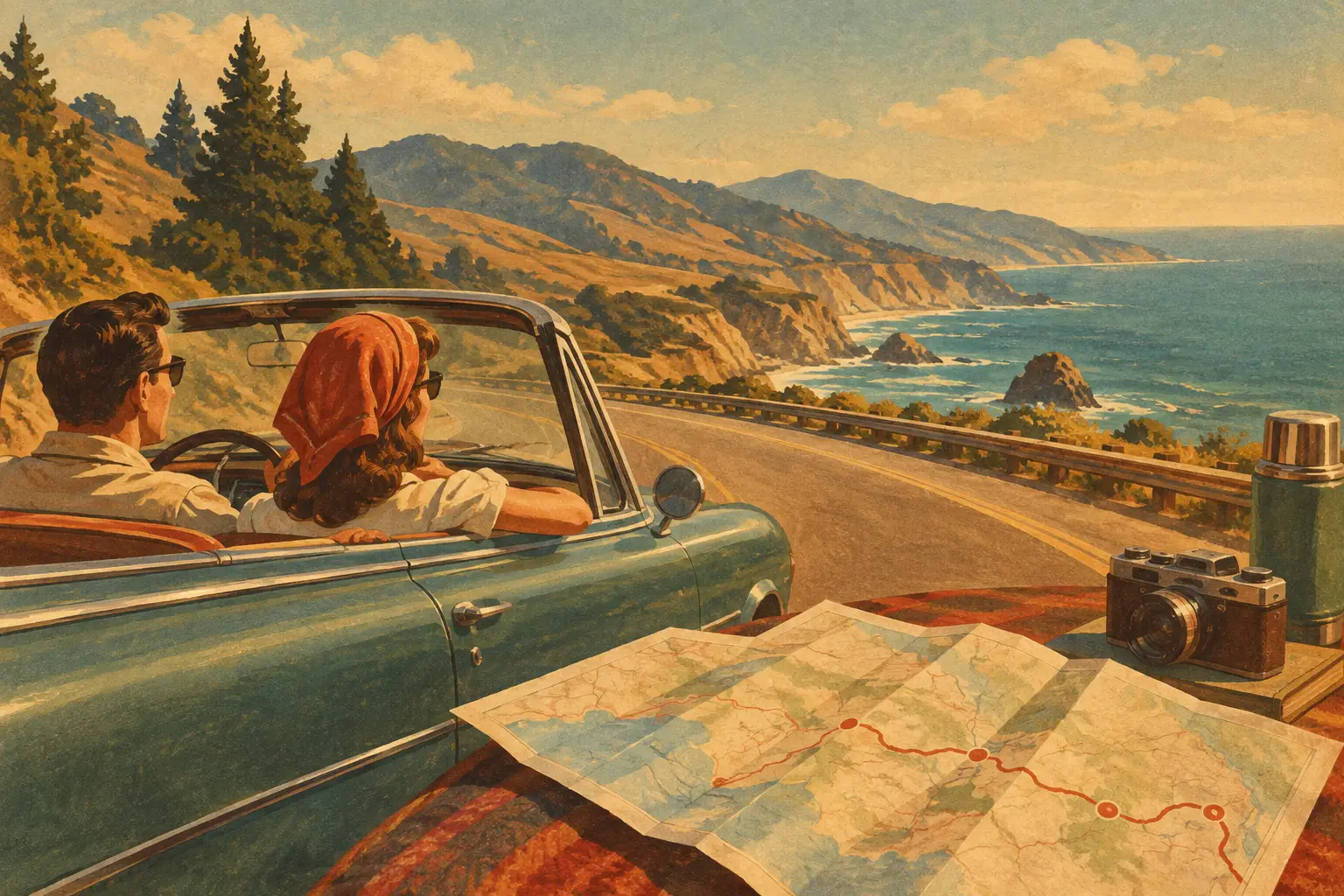
A great road trip should feel like a string of spontaneous “wait, pull over” moments - not a race against a color-coded spreadsheet. This road trip itinerary example shows how to build a five-day California coast escape with enough structure to protect your reservations and enough breathing room for beach detours, roadside tacos, and the viewpoint your group finds at golden hour.
The route runs from San Francisco to Santa Barbara, with an optional finish in Los Angeles. It works especially well for couples, friend groups, and families who want iconic scenery without changing hotels every single night. More importantly, it gives you a repeatable way to plan nearly any drive: set the route, anchor the must-dos, and leave room for the trip to surprise you.
Start With the Route, Not a Giant Wish List
The California coast looks simple on a map, but distance is only part of the story. Winding roads, photo stops, parking, lunch lines, and the fact that everyone needs a real break can turn a three-hour drive into a full-day event. For this itinerary, expect roughly 300 driving miles across five days, plus local exploring.
Before booking anything, decide what kind of road trip you want. This version favors scenic driving, small-town wandering, and relaxed overnight stops. If your crew wants nightlife or long hikes, you may want fewer stops and more time in one place. If you are traveling with young kids, shorten the driving windows and build in playgrounds, easy beaches, or an early hotel check-in.
Your route is San Francisco, Half Moon Bay or Santa Cruz, Monterey or Carmel, Big Sur, San Simeon or Cambria, San Luis Obispo, and Santa Barbara. Highway closures can affect the Big Sur section at different times of year, so always confirm your route shortly before departure. A beautiful plan is only useful if it is drivable.
A 5-Day Road Trip Itinerary Example
Day 1: San Francisco to Santa Cruz
Start in San Francisco, but do not burn your first morning trying to see the entire city. Pick up your rental car, load bags, and head south once traffic eases. The coastal route through Pacifica and Half Moon Bay makes the drive part of the experience, with ocean overlooks that are far more memorable than an interstate on-ramp.
Stop in Half Moon Bay for coffee and a walk near the harbor, then continue to Santa Cruz. Once you arrive, choose one main afternoon plan: explore the boardwalk, walk West Cliff Drive, or spend time at Natural Bridges State Beach. Trying to do all three is how a vacation starts feeling like an assignment.
Book two nights in Santa Cruz or nearby Capitola if you want a slower start. Travelers who prefer a livelier first night can stay near downtown Santa Cruz; those chasing a quieter, postcard-style setting may prefer Capitola. Add your hotel confirmation, parking notes, and dinner reservation to the same day in your itinerary so nobody is searching through emails at 7 p.m.
Day 2: Santa Cruz to Monterey and Carmel
This is a short driving day, which is exactly the point. Leave after breakfast and take your time heading toward Monterey. The route is under an hour without stops, so you can arrive with enough energy to enjoy the destination instead of immediately checking in and collapsing.
Spend the late morning around Cannery Row or the Monterey Bay waterfront, then choose between the Monterey Bay Aquarium, a kayak tour, or a long lunch overlooking the water. In the afternoon, drive the 17-Mile Drive if your group is happy to pay an entry fee for dramatic coastal views and famous cypress trees. It is scenic, but it can be slow in peak season. Carmel-by-the-Sea is a better bet if you would rather browse galleries, grab pastries, and wander to a beach before sunset.
Stay in Monterey for value and convenience, or book Carmel if atmosphere is worth the higher nightly rate. This is a good night for a shared dinner reservation because everyone is likely to arrive at the table on the same schedule.
Day 3: Monterey to Big Sur to Cambria
Day three is the visual centerpiece, so avoid overbooking it. Pack snacks, water, a light layer, and a charged phone before you leave. Cell service can be unreliable in stretches of Big Sur, and a saved map route is much more reassuring than hoping your navigation app catches up around a cliffside bend.
Leave Monterey early enough to enjoy Big Sur before parking areas fill up. Choose two or three priority stops, not eight. Bixby Creek Bridge, McWay Falls, Pfeiffer Beach, and a redwood grove are all worthy choices, but each comes with different timing, access, and walking requirements. Select what matches your group’s energy.
Aim to reach Cambria or San Simeon by late afternoon. Cambria offers a cozy small-town feel and easy dining, while San Simeon puts you closer to Hearst Castle if that is on your list for the next morning. Reserve your room in advance during summer weekends and holiday periods, when this small stretch of coast gets busy fast.
Day 4: Cambria to San Luis Obispo
Start with Hearst Castle if you booked a tour, then travel south through the beach towns of Cayucos and Morro Bay. This is a lighter, more playful day. Watch sea otters from the waterfront, take photos of Morro Rock, and order fish tacos without pretending you are too sophisticated for a beach-town lunch.
Continue to San Luis Obispo in the afternoon. The drive is short, giving you time to settle in, explore downtown, and choose a dinner spot without rushing. If you are visiting on a Thursday, the downtown farmers’ market can be a fun evening stop. Otherwise, browse local shops and save room for a relaxed meal.
For a group trip, use this night to check the final-day plan together. One person may want a winery stop, another may want more beach time, and someone else may have a flight out of Los Angeles. It is easier to adjust now than to debate it in a parking lot tomorrow.
Day 5: San Luis Obispo to Santa Barbara
The final leg takes you through Pismo Beach, the Santa Ynez Valley, or directly down the coast toward Santa Barbara. Your best route depends on your priorities. The coastal option is ideal for one more ocean walk; the inland option works for travelers interested in vineyards and rolling hills. Choose one lane and enjoy it rather than cramming both into a few hours.
Arrive in Santa Barbara with time for State Street, the waterfront, or sunset at the courthouse gardens. If you are continuing to Los Angeles, consider staying one more night instead of adding a two-hour-plus drive after a full day. Ending a road trip calmly is better than turning the last stretch into a tired sprint.
Keep the Itinerary Flexible Without Losing the Details
The difference between a useful itinerary and an overplanned one is simple: your time-sensitive commitments should be fixed, while your nice-to-have ideas stay movable. Lodging, timed tours, rental-car pickup, and flight details belong on the schedule. Beaches, coffee shops, viewpoints, and dinner backups can sit nearby as saved options.
A mobile itinerary is especially helpful when plans are changing in real time. Keep each day’s driving route, confirmation numbers, addresses, check-in instructions, and shared notes together. With Plan WeGo, travelers can visualize stops on a map, invite the group to contribute ideas, and keep the plan close while they are actually on the road - not buried across text threads, screenshots, and browser tabs.
Build a small buffer around every major transition. A 30-minute cushion can cover parking, a slow breakfast, an unexpectedly great photo stop, or the universal road-trip event: someone realizing they left sunglasses at the last stop. Buffers are not wasted time. They are what make the whole route feel easy.
Plan the Moments You Will Want to Share
Road trips create their best memories between the headline attractions. Make space for a sunset pull-off, the ridiculous snack haul at a gas station, the diner recommendation from a local, and the one beach where nobody checked the time. Add photos and notes as you go, while the details are still fresh.
When you build your route around a few meaningful anchors instead of a packed checklist, everyone gets to be present. That is the road-trip rhythm worth keeping: plan enough to move confidently, then let the open road give your group a few stories you never could have scheduled.