
How to Build a Trip Itinerary That Flows
August 31, 2026
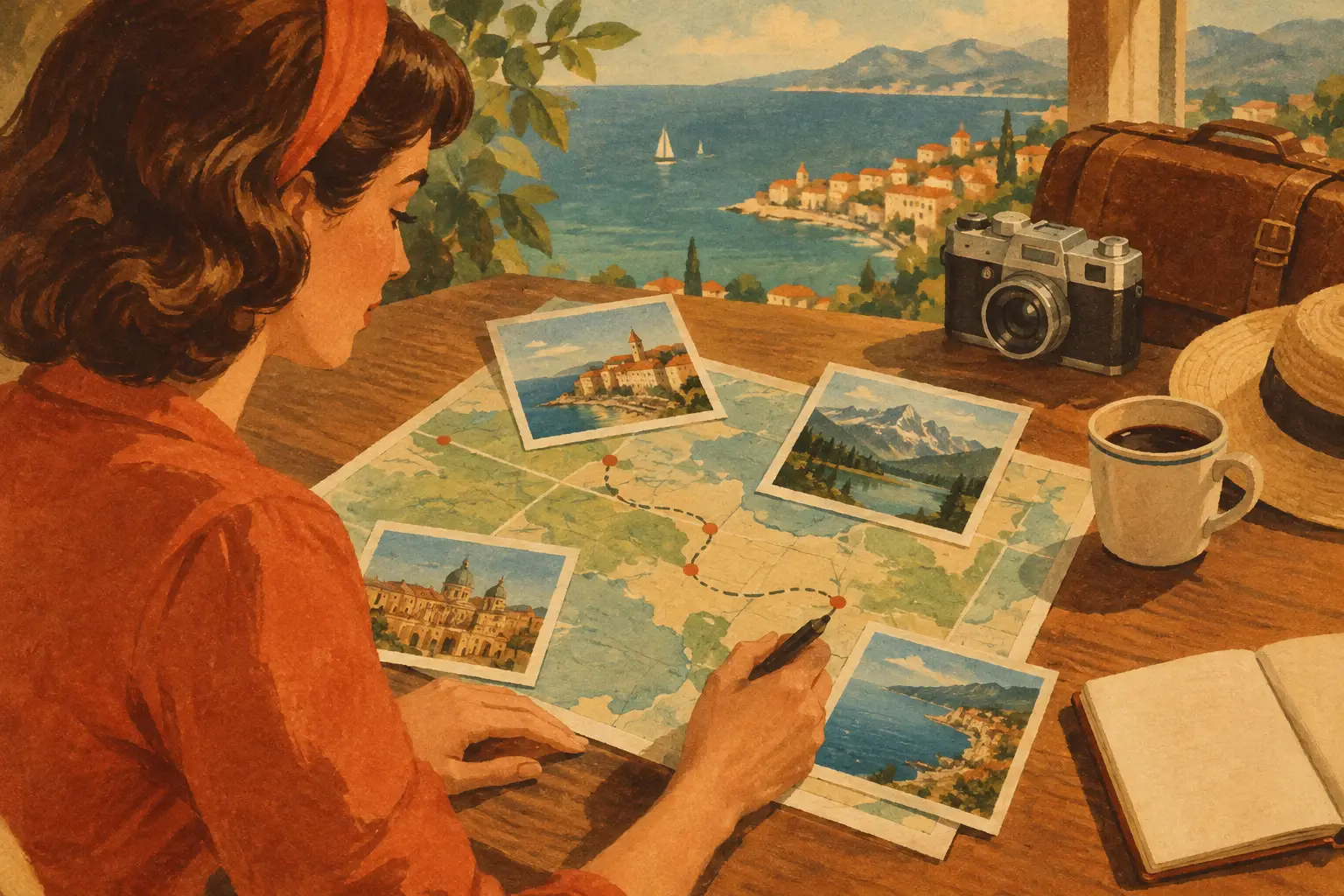
A great trip rarely falls apart because someone picked the wrong coffee shop. It falls apart when a 10 a.m. museum reservation, a 45-minute cross-town ride, and a dinner spot on the other side of the city all live in different apps, inboxes, and group chats. Learning how to build a trip itinerary is really about giving every great idea a realistic place to land.
The goal is not to schedule every minute. It is to create a plan that makes the logistics feel lighter, so you can say yes to the viewpoint your friend spotted, the street market you did not know existed, or the extra hour by the pool. Here is how to build an itinerary that keeps your trip moving without making it feel overplanned.
Start with the shape of the trip
Before searching for restaurants or saving thirty videos from social media, define the trip's basic shape. Think about your dates, arrival and departure times, where you are staying, your budget comfort zone, and what kind of pace your group actually enjoys.
A long weekend in Chicago has a different rhythm than a ten-day road trip through Utah. A family beach stay may need quiet afternoons and short drives. A friend group in New York might be happy with late dinners and packed neighborhoods. There is no universally perfect itinerary. The best one matches the people going.
Choose two or three trip priorities early. Maybe this is food, live music, national park hikes, design-forward hotels, or a mix of iconic sights and local neighborhoods. Those priorities become your filter when the saved-place list starts getting out of control.
It also helps to name your non-negotiables. These are time-sensitive or high-stakes moments: flights, hotel check-in, a concert, a cruise departure, a permit-required hike, or a restaurant you truly do not want to miss. Build around those first. Everything else has more room to move.
How to build a trip itinerary around real travel time
The most common itinerary mistake is planning by attraction, not by geography. Four places can look close on a screen but require an hour of transfers, parking, walking, and finding the entrance. That is not a minor detail. It changes the whole day.
Put your lodging, transportation hubs, reservations, and saved spots on a map before assigning them to days. Then cluster stops by neighborhood, trailhead, coastline, or driving route. A day in one compact area often feels fuller and calmer than a day spent zigzagging across town to check off more names.
Be honest about transition time. Add room to leave the hotel, find the rental car, navigate a station, pick up coffee, walk from the parking lot, and get oriented. For a city trip, one major activity and two nearby flexible stops can be plenty. For a road trip, calculate drive time, then add time for fuel, scenic pull-offs, meals, and the inevitable “wait, we have to stop here” moment.
When you use a map-based itinerary, the trade-offs become visible fast. That dreamy brunch might still be worth it, but you can place it on the day you are already nearby instead of making it a detour that eats your afternoon.
Give every day a headline
A day does not need an aggressive checklist. It needs a simple point of view. Think “arrival and downtown dinner,” “east side galleries and rooftop drinks,” or “coastal drive and sunset hike.” A headline makes it easier to see whether the day has a natural flow.
From there, add anchors. An anchor is a fixed-time booking or a must-do experience that shapes the schedule around it. Put your earliest anchor first, then work outward by location and energy level. Morning can suit a popular attraction or hike. Midday might be lunch, browsing, or a beach break. Evening can hold dinner, a show, or a low-key walk.
Leave one or two openings in each day. These are not empty mistakes. They are intentional space for weather changes, delayed flights, a longer museum visit, or a recommendation from someone you meet along the way. On a vacation, flexibility is part of the plan.
Plan, Book, and keep details together
Ideas are exciting. Confirmations are what make an itinerary dependable. Once the route and daily structure look right, start turning your essentials into booked plans.
Add flight details, lodging addresses, car rentals, train tickets, activity reservations, and dining bookings directly to the same trip view. Include confirmation numbers, check-in notes, contact information, and any useful details like luggage restrictions or parking instructions. When travel day arrives, you should not have to search an email thread while standing in an airport line.
Booking too early can limit flexibility, while booking too late can mean higher prices or sold-out plans. The right balance depends on the destination and season. Secure what has limited availability first, especially holiday travel, popular parks, major events, and small restaurants. Keep lower-stakes choices, such as casual meals or a backup viewpoint, flexible until you are there.
Plan WeGo brings transportation, stays, activities, routes, and reservations into one visual itinerary, so the details support the adventure instead of competing for your attention.
Build for the people traveling with you
An itinerary for one person can live in your head. An itinerary for a couple, family, or friend group needs shared visibility. Otherwise, someone books a table during the tour, someone else assumes the hotel has parking, and the group chat becomes a stream of screenshots with no clear answer.
Invite co-planners early and give people a simple role. One person might collect food spots, another can research activities, and another can handle transportation. You do not need a committee for every decision, but shared input works best before reservations are locked in.
Keep the conversation focused by asking for choices, not unlimited suggestions. Instead of “What should we do in Austin?” ask, “Do we want the Saturday morning hike or the food tour?” People are more likely to weigh in when the decision is clear.
For groups with different budgets or energy levels, create a shared core plan and optional branches. Meet for a booked dinner, for example, while leaving the afternoon open for shoppers, museum people, nap people, and anyone chasing the best photo spot. A good group itinerary does not force everyone to travel the exact same way all day.
Add a backup plan without doubling your work
Every trip has variables: rain, traffic, a delayed train, a closed trail, or a restaurant that turns out to be less exciting than the photos. You do not need a second full itinerary. You just need a few smart alternates.
For each major day, save one nearby indoor option, one casual food option, and one activity that can be skipped without regret. If rain takes out your bike ride, you already know which market, gallery, or neighborhood café fits the route. If the group is tired, you can swap a formal dinner for something closer to the hotel.
This is especially useful for outdoor trips. Have a shorter hike, scenic drive, or visitor center in mind if weather conditions change. For city breaks, keep an eye on neighborhoods rather than obsessing over a single venue. The neighborhood can still deliver a great afternoon when Plan A does not.
Go with the plan, not by the plan
When the trip begins, your itinerary should become a guide, not a set of rules. Check the day each morning: confirm opening hours, travel times, weather, and any reservations. Then let the plan do its job in the background.
Keep your route, bookings, addresses, and notes easy to access from your phone. That way, the group can see where to meet, you can find the next stop without digging through messages, and last-minute changes do not create chaos. A centralized itinerary is less about being hyper-organized and more about staying present.
If something is genuinely better than expected, stay longer. If an activity feels like a chore, skip it. The plan exists to protect the moments you care about, not to turn the trip into a race.
Share the story while it is still fresh
The best itineraries do more than get you from the airport to the hotel. They capture the places that made the trip yours: the taco stand worth the line, the overlook at golden hour, the tiny bookstore near your stay, the route that surprised everyone.
Save photos, notes, and favorite stops as you go. Future-you will appreciate knowing which beach had easy parking, which trail was worth the early alarm, and where that unforgettable dinner happened. Those details can also become a genuinely useful plan to share with friends, followers, or the person who asks, “Okay, where did you go?”
Start with a clear route, protect your priorities, and leave room for the unexpected. The most memorable trips usually happen in that space.