
How to Log and Blog Your Trip Without Missing It
November 21, 2026
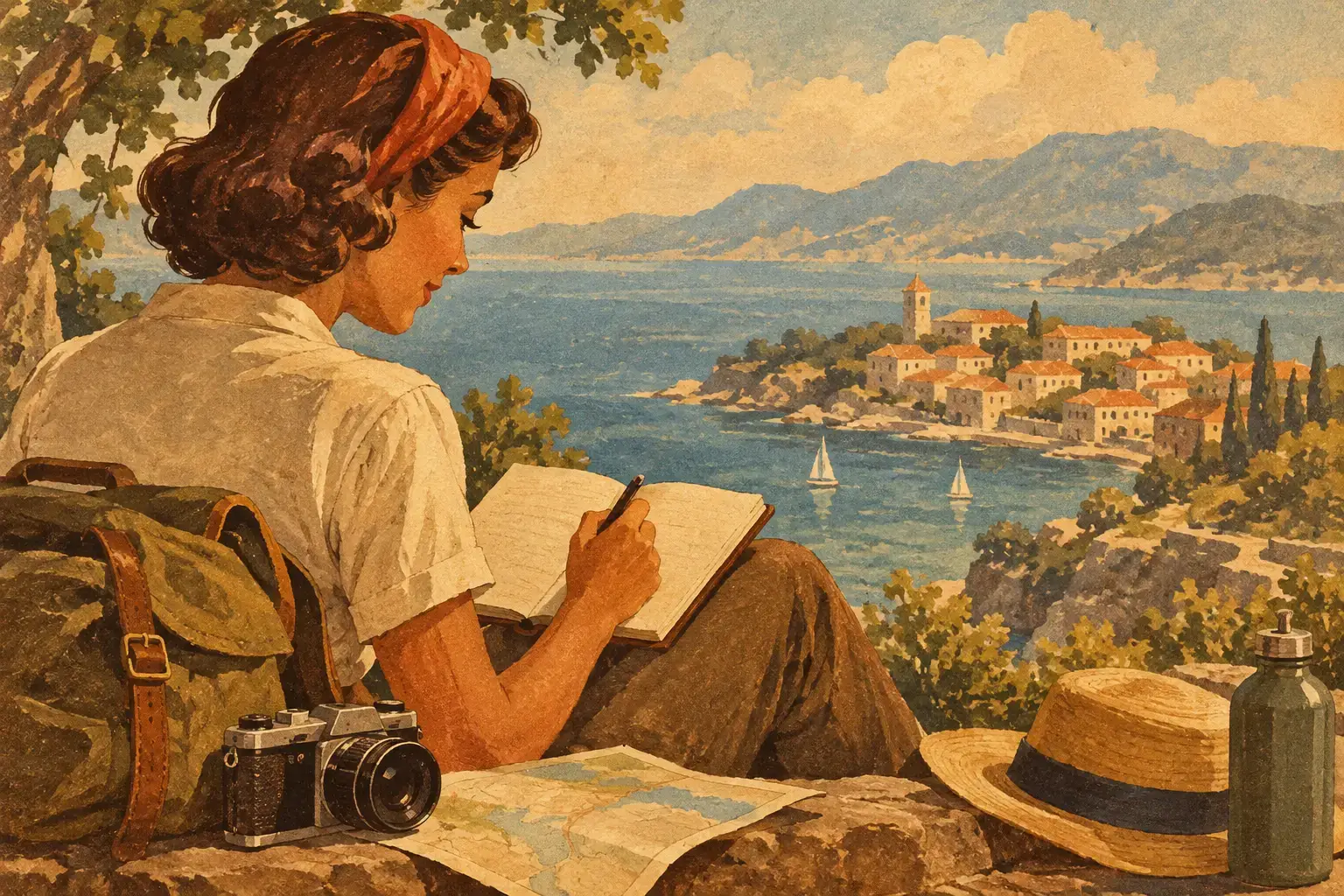
Your camera roll can tell you where you went. It cannot always tell you why that tiny ramen bar was worth the wait, which trail turn led to the best view, or who found the late-night jazz spot. When you log and blog your trip as it happens, the details that make a journey feel personal do not disappear into a blur of photos, receipts, and group-chat messages.
The trick is not turning vacation into a content assignment. A useful trip log should make your experience easier to remember and easier to share, without pulling you out of the moment. Keep the logistics, map pins, quick notes, and favorite photos in one place, then decide later what deserves a polished post, a private recap, or a shareable itinerary.
Log and blog your trip without turning it into work
Think of logging as capturing the raw material and blogging as shaping the story. They work best together, but they are not the same job.
Your log is practical. It holds confirmation details, addresses, route changes, reservation times, packing notes, and the quick observations you would never remember two weeks from now. Your blog is selective. It turns the best parts of the trip into something another person can follow, whether that is a photo carousel, a day-by-day recap, or a ready-to-use route for friends.
That distinction takes pressure off. You do not need a perfect caption every time you sit down for coffee in a new neighborhood. Capture a short note instead: “Get here before 9 a.m. for no line,” “Order the cardamom bun,” or “Great first stop after a red-eye.” Those tiny details become the voice of your final story.
A mobile-first trip workspace makes this much easier because the place you check your schedule can also be the place you save the moment. Instead of bouncing between maps, booking emails, notes, photo folders, and social drafts, add the useful context while it is still fresh.
Start with a trip plan worth documenting
The best travel stories have a backbone. Before departure, build a flexible itinerary around the pieces that shape your days: transportation, stays, major reservations, activities, and routes. Add the places you are considering, too, even if they are not locked in yet. A saved rooftop bar, lookout point, bakery, or gallery can rescue an open afternoon without sending everyone back to a dozen browser tabs.
Mapping your plans matters more than it sounds. A list of must-sees can look completely reasonable until you realize they are scattered across opposite sides of a city. Seeing stops on a map helps you group them into a day that feels exciting rather than rushed. For a road trip, hike, or bike ride, the route itself becomes part of the story: where you started, where you stopped, and what was worth the detour.
If you are traveling with other people, invite them before the trip begins. Give each person room to add ideas, update plans, or claim the restaurant they are researching. This prevents the familiar moment when one person becomes the unpaid coordinator while everyone else sends screenshots into a group chat.
Not every plan needs to be public. A birthday trip, family vacation, or friends-only weekend may need private sharing, while a creator-led itinerary might be built for a wider audience. Choose permissions based on the trip, not a one-size-fits-all posting habit.
Capture small details at the right time
You do not need to document every hour. In fact, trying to do so usually makes a trip feel like work. Create a light rhythm that fits naturally into your day: update a note while waiting for a train, save a favorite photo during lunch, and add a one-line reflection when you get back to your hotel.
The most valuable entries are often specific and short. Record the name of the dish you loved, the actual wait time for a popular attraction, the transit tip that made a busy day smoother, or the weather shift that changed your plans. These notes are useful to future you and genuinely helpful to anyone using your itinerary later.
When you capture a photo, connect it to a place or activity while you still know where it belongs. A sunset photo is much more meaningful when it sits beside the overlook, route, or beach where it happened. The same goes for a memorable meal. Save the restaurant with the photo and a sentence about what to order, rather than hoping you can identify it from a location history months later.
For each day, aim to save four kinds of context:
- One practical update, such as a changed reservation time or transit tip.
- One place worth revisiting, from a hotel lobby to a hidden swimming spot.
- One personal moment, such as a funny mishap, a surprise view, or a group favorite.
- One visual highlight that helps the day feel distinct.
This is enough to create a rich record without spending your trip with your head down.
Let the plan change
A useful trip log leaves room for reality. Flights run late. Rain changes the beach day. A neighborhood you planned to visit for an hour turns into your favorite afternoon of the trip. Update the itinerary when plans shift, rather than treating the original schedule as a scorecard.
Those changes often make the best blog material. Tell people that the museum was a great rainy-day swap, that the scenic route took longer than expected, or that a reservation was not worth planning a whole day around. Honest context builds trust, especially if you share plans others may want to use.
Turn your trip log into a story people can use
Once you have the raw notes, the story is easier to shape. Start with a point of view instead of trying to include every stop. Maybe your story is a three-day food-first weekend in Chicago, a desert road trip with dog-friendly breaks, or a couples’ escape built around coastal hikes and slow mornings. A clear angle helps you decide what to leave out.
Then organize the experience in the way your audience will actually use it. A chronological format works well for a packed city break because it shows how the days flowed. A map-led format is better for road trips and outdoor routes. A themed format can be stronger when the trip is about something specific, like vintage shopping, national parks, or a concert weekend.
Use your practical notes to make the story more generous. Instead of saying a place was “amazing,” explain what made it work: the easiest time to go, who would enjoy it, how long to allow, and what to pair it with nearby. That is the difference between a pretty travel post and a trip plan someone can confidently follow.
Plan WeGo is designed for that handoff between memory and momentum. You can keep plans, bookings, maps, and shared updates together while traveling, then turn the trip into a visual, shareable record when you are ready. For travelers who build standout routes, the same planning work can also become a polished itinerary others can discover and purchase.
Keep the human parts in the final version
Useful does not have to mean overly polished. Leave room for the missed train, the unexpected rainstorm, and the meal that changed everyone’s opinion of a neighborhood. These moments give a trip story personality, and they help other travelers make realistic choices.
At the same time, protect what should stay yours. Avoid posting your live location publicly when it affects safety or privacy. Ask before featuring travel companions. Keep sensitive family moments, hotel room details, and private addresses out of public posts. Sharing well is partly about knowing what not to share.
Build a habit you will actually keep
A complicated system will not survive the second day of a vacation. Settle on a simple practice: check your itinerary in the morning, add quick updates during natural pauses, and spend five minutes each evening saving the highlights. If a day is too full, skip the recap. Your photos and location-based plans will give you enough material to catch up later.
The goal is not to prove that you traveled perfectly. It is to preserve the route, the surprises, and the feeling of being there - then make it easy for the right people to come along for the story. The next time someone asks for your recommendations, you will have more than a camera roll. You will have a trip worth passing on.