
How to Document Trips Privately Without Losing the Magic
September 27, 2026
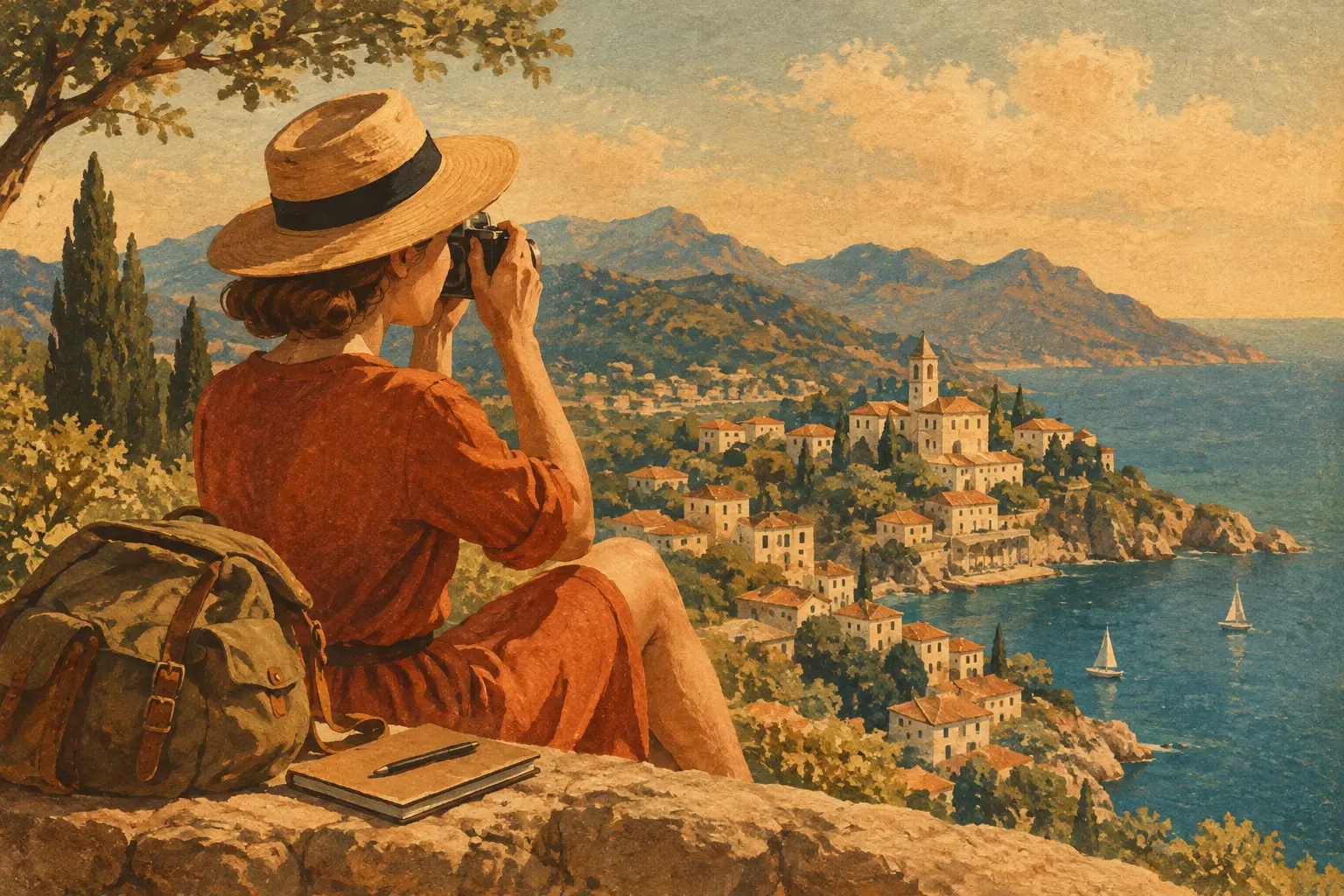
The best photo from your trip might be the one you never post: your friend asleep against the train window, a handwritten menu from a tiny neighborhood spot, or the view you found after taking a wrong turn. Learning how to document trips privately lets you keep those moments without turning your vacation into a content schedule.
Private trip documentation is not about hiding your life. It is about choosing what belongs to you, your travel crew, and the wider internet. You can still capture the Insta-worthy overlook, save the restaurant that surprised you, and build a record you will actually want to revisit. The difference is that you decide when, where, and with whom the story is shared.
Start with a private home base for the trip
A trip scatters fast. Flight confirmations land in email, reservations sit in separate apps, photos pile into your camera roll, and the good recommendations disappear in a group chat. The first move is simple: give the trip one private home base before you leave.
Create a trip space that holds the practical details and the personal ones. Add transportation, lodging, bookings, addresses, route stops, and the people traveling with you. Then add the softer stuff: a café you want to try, a note about the sunset beach, a voice memo after an unexpectedly great tour, or a photo of the trail marker you may need on the way back.
This setup matters because logistics are part of the memory. Months later, the name of the little bookstore or the exact road-trip route can be more meaningful than another perfectly edited image. A mobile-first trip organizer such as Plan WeGo can keep plans, maps, and memories in one place while allowing you to control who sees the trip.
How to document trips privately without overthinking it
You do not need to journal for an hour every night. The goal is to capture enough context that your photos and plans still mean something later. Think in small, low-pressure check-ins.
Capture the moment, then add one detail
When you take a photo, save one sentence alongside it when the feeling is fresh. It can be as casual as, “We got here five minutes before the rain,” or, “Order the pistachio croissant, skip the iced coffee.” That tiny detail turns a gallery of images into a real story.
If typing feels like work, use a quick voice note. Road trippers can record a thought at a scenic pull-off. Hikers can note trail conditions or the moment the clouds lifted. Couples and friend groups can let different people add their own perspective. Private documentation works best when it feels like part of the trip, not an assignment after it.
Save the places behind the photos
A photo of a plate of pasta is nice. A photo connected to the actual restaurant, neighborhood, reservation time, and map pin is far more useful. Save locations as you go, especially for places you would recommend to a friend or want to revisit.
This is especially helpful on multi-stop trips. After three cities, several hotel rooms, and a blur of transit, even great memories lose their location. Pinning a hidden beach, a favorite bike route, or the gas station with unexpectedly excellent tacos gives your future self a much better record.
Let your itinerary become a memory timeline
Your itinerary does not have to disappear once you land. Keep it as the backbone of the trip, then add what actually happened. Maybe your museum reservation turned into a two-hour detour through a local market. Maybe a rainy afternoon changed the entire plan. Those changes are often the story.
Add notes, photos, and highlights directly around each day or stop. This creates a private timeline that reflects the real journey rather than the version you meant to have. It is also useful when a travel companion asks, “What was the name of that place?” six months later.
Set sharing boundaries before the first photo
The easiest privacy setting to manage is the one you choose before anyone starts posting. If you are traveling with friends, have a quick conversation about what is okay to share. Some people are happy to appear in Stories but do not want their location broadcast in real time. Others may be traveling with kids, taking a personal reset, or simply prefer not to be online while away.
A good default is to keep the trip private during travel and share selected moments later. Delayed posting protects your current location and takes pressure off everyone to look camera-ready at every stop. You still get the joy of sharing, but on your own timing.
For group trips, use permissions with intention. Give co-planners access to the details they need, such as flight times, lodging information, route plans, and booking confirmations. Keep your broader trip record limited to the people who were there unless everyone agrees otherwise. A private space can be collaborative without becoming public.
Protect the details that should stay off the feed
Not every travel detail belongs in a caption or public gallery. Avoid sharing boarding passes, confirmation numbers, hotel room numbers, license plates, children’s routines, or live location details. It sounds obvious, but these items can sneak into mirror selfies, screenshots, and scenic car photos.
Before adding images to a shared album or sending them outside your travel group, do a quick background check. Is a passport on the table? Is the hotel name visible? Does the image reveal where you are staying right now? Private documentation gives you time to make those choices calmly instead of reacting after something is already posted.
This does not mean you need to strip every photo of personality. It means preserving the fun parts while protecting the information that can create stress. Your sunrise photo does not need your exact room number to be worth keeping.
Create a simple rhythm for different kinds of trips
The right system depends on the trip. A weekend city break needs something lighter than a two-week road trip, while a hiking adventure may need more route and safety notes than restaurant photos.
For a quick getaway, save your reservations, map pins, and a few daily favorites. For a longer international trip, add transportation changes, receipts you may need, and notes on what worked in each destination. For a road trip, document fuel stops, scenic routes, trailheads, and the unexpected places worth repeating. Families may want a shared album plus a private planning space, while couples may prefer a joint timeline that stays entirely between them.
The common thread is not volume. It is context. Save the things that would be hard to reconstruct later, then let the rest remain lived rather than logged.
Give yourself a post-trip sharing window
When you get home, do not rush to publish everything just because the trip is over. Give yourself a few days to sort through photos and decide what still feels worth sharing. Some images will make perfect public posts. Others will feel more special in a private album, a shared trip recap, or nowhere beyond your own phone.
You can also turn the trip into different versions for different people. Send your travel crew the funny outtakes and practical notes. Share a short highlight reel with friends. Keep your most personal reflections, full itinerary, and favorite unfiltered images in your private trip record. There is no rule that says every audience deserves the same access.
The memories that last are rarely the ones with the most likes. Keep the route, the reservation, the wrong turn, and the photo that only makes sense to your group. Your future self will know exactly why it mattered.