
How to Make a Travel Log You’ll Revisit
November 14, 2026
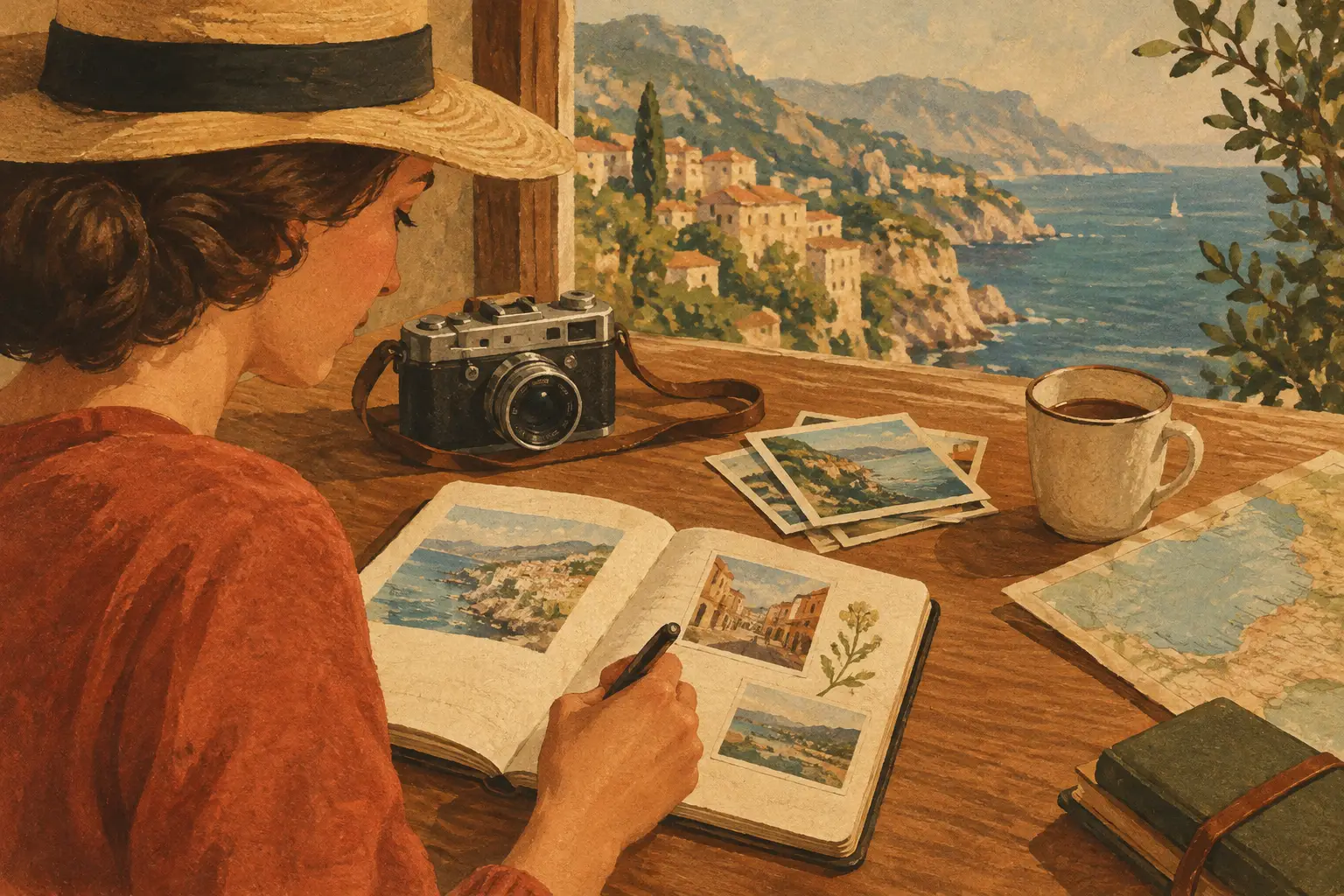
Your favorite trip probably did not happen in a single camera roll. It lives in a boarding pass screenshot, a restaurant saved at 1 a.m., a photo your friend texted later, and that one wrong turn that became the best part of the day. A travel log gives those scattered pieces a shared home, turning an itinerary into a story you can actually revisit.
For travelers who use their phones to plan, navigate, coordinate, and post along the way, a travel log is more than a digital diary. It is the record of what you planned, what really happened, and what you would gladly do again.
What a Travel Log Should Capture
A good travel log balances practical details with the moments that make a trip feel personal. Save only the pretty photos and you may forget the tiny wine bar worth returning to. Save only reservations and confirmation numbers and the trip starts to feel like a spreadsheet.
The sweet spot is a living trip record that connects places, timing, people, and memories. That means your hotel check-in can sit alongside the neighborhood walk you took after dropping your bags. Your road trip route can include the scenic overlook that was not on the original plan. A rainy museum afternoon can get the credit it deserves.
Think of it as two layers working together. The first keeps the trip moving: flights, lodging, transport, reservations, routes, addresses, contacts, and notes. The second preserves the experience: photos, short reflections, recommendations, funny moments, and the details you will not remember six months from now.
Start Your Travel Log Before You Leave
The best logs do not begin after the vacation. Start building yours as soon as a trip becomes real enough to earn a name. Add the destination, dates, and the people coming along. Then collect the anchors of the trip, such as flight details, your stay, rental car pickup, train tickets, and any can’t-miss reservations.
This early setup does not mean every hour needs to be scheduled. In fact, overplanning can flatten a trip fast. Your log should create clarity around fixed commitments while leaving space for slow mornings, surprise detours, and recommendations from locals.
A map view is especially useful here. Seeing your saved spots by neighborhood can prevent a classic vacation mistake: booking brunch on one side of town and a sunset cruise across the city 40 minutes later. Group nearby places into flexible day ideas, and keep a few backup options close to where you already expect to be.
For a group trip, make the log a shared space from the beginning. Everyone can add ideas, vote on favorites, and see what is confirmed without asking, “Wait, where did we decide to stay?” in the group chat for the fourth time. Give co-planners room to contribute, but keep clear labels for booked, considering, and saved-for-later items.
Add the details that save the day
The small details are often the ones that matter when you are standing outside a train station with 3% battery. Add reservation names, check-in instructions, parking notes, meeting points, confirmation numbers, and any timing that is easy to forget.
For road trips, hikes, and bike routes, note the practical stuff too: trailhead parking, fuel stops, weather-sensitive sections, water refill points, and the time you need to begin before daylight fades. A travel log should make adventure feel lighter, not more complicated.
Keep Logging While the Trip Is Happening
You do not need to narrate every meal or turn your vacation into a content assignment. The goal is to capture enough while the details are fresh. Thirty seconds at the end of a day can preserve a memory far better than trying to reconstruct an entire week from photos later.
A quick entry can be as simple as: “Skip the touristy patio, sit at the counter,” or “The ferry at sunset was worth the wind.” These notes become more valuable with time because they record how a place felt, not just where you were.
Set a rhythm that fits your travel style. A couple on a long weekend might add a few favorites each night. A family on a busy theme-park trip may prefer one shared update after dinner. Friends on a beach getaway may mostly log standout spots and photo moments. It depends on the trip, and there is no prize for documenting every minute.
When something changes, update it. A delayed flight, a canceled dinner reservation, a new route, or an unexpectedly great neighborhood can shift the day. Keeping the log current means everyone traveling together has the same version of the plan, rather than a mix of old screenshots and half-read messages.
Make the Travel Log Feel Like Yours
The most memorable logs have a point of view. They do not read like a generic list of attractions. They reveal what your group loved, what surprised you, and what you would tell a friend before they go.
Add captions that sound like you. Save a photo of the chaotic rental-car trunk if that was part of the fun. Mark the coffee shop where you hid from the rain. Include the restaurant that became your group’s running joke. Those details make a travel log worth opening again, even after the highlights have disappeared from your social feed.
If you are building a public-facing trip story, be helpful without pretending every traveler wants the same experience. Explain why a stop worked for you. Was it walkable from your hotel? Great for a date night? Kid-friendly? Worth the early wake-up? Was it a splurge, or a smart value? Context turns a pretty itinerary into something people can use.
A few prompts can help when you are not sure what to save:
- What is one place you would return to immediately?
- What made the day easier, better, or more surprising?
- What would you do differently next time?
- What is one moment no photo fully captures?
Turn Your Travel Log Into a Shareable Story
A trip record can stay private, shared only with your travel crew, or become inspiration for someone else’s next escape. The right choice depends on the trip. A family vacation may need a smaller audience, while a carefully planned national parks route could be genuinely useful to friends and followers.
Before sharing, clean up the practical pieces. Remove personal booking references, private addresses, and anything that is only relevant to your group. Then organize the story around the way someone might experience it: day by day, neighborhood by neighborhood, or route stop by route stop.
Visuals matter, but utility earns trust. Pair your best photos with clear route notes, realistic timing, and a few honest trade-offs. That cliffside viewpoint may be incredible, but the drive may not suit travelers nervous about narrow roads. The trendy dinner spot may be fun, but reservations might be essential. Those details make your recommendations feel real.
For creators, a well-organized travel log can also become a polished trip plan. Instead of sending followers through a pile of old posts, you can package the route, saved places, booking notes, and local favorites into something they can follow at their own pace. Plan WeGo is built for that full journey, from organizing the moving parts to sharing the memories and turning trusted itineraries into plans others can use.
Let the Log Make Your Next Trip Better
A travel log has value long after you unpack. Use it when a friend asks for recommendations. Pull it up when you are returning to a city and want to skip the research you already did. Notice patterns in what you love: perhaps your best days start with a neighborhood walk, leave room for one unplanned stop, and end with a table worth lingering at.
It can also keep your next trip from repeating avoidable mistakes. Maybe the airport transfer took longer than expected, your hiking day needed more water, or moving hotels every night was not worth the effort. These are not failures. They are the kind of useful intelligence that makes future travel feel more confident and more like you.
Save the logistics, yes. But make room for the imperfect photo, the changed plan, the stranger’s recommendation, and the place that was never on your original list. Those are the details that turn a trip from something you took into something you can return to whenever you want.