
Family Vacation Planning That Keeps Everyone Happy
September 8, 2026
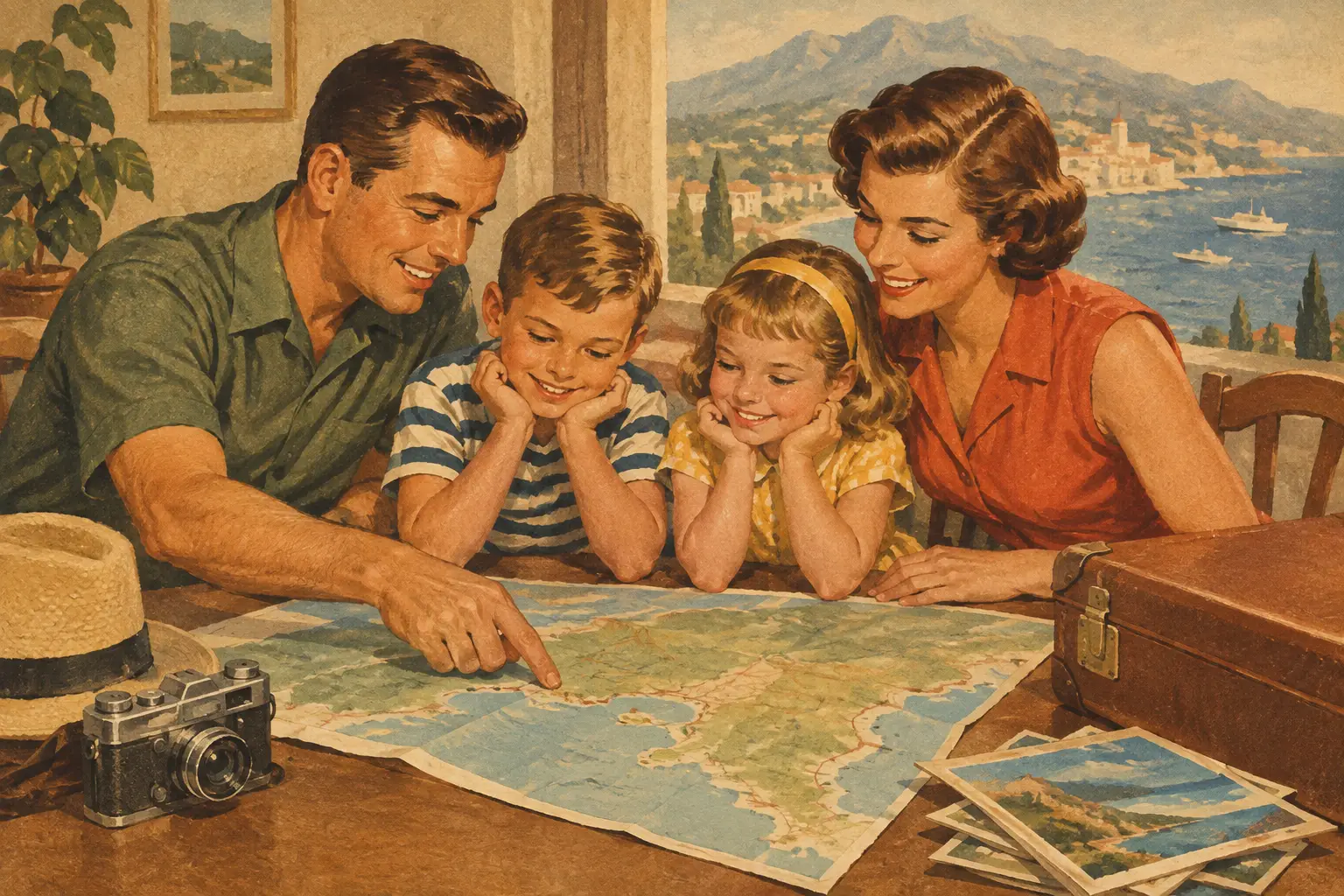
The beach rental is booked. Your oldest wants zip lines, your youngest wants a pool with a waterslide, one parent wants a quiet dinner, and someone has already sent 27 restaurant reels to the family group chat. That is family vacation planning in its natural habitat: exciting, slightly chaotic, and full of good ideas that can disappear between emails, screenshots, and text threads.
The goal is not to schedule every minute. It is to give everyone enough clarity to look forward to the trip - and enough breathing room to actually enjoy it. A shared plan turns the logistics into something the whole crew can see, shape, and use on the go.
Family Vacation Planning Starts With One Shared Reality
Most family trips go sideways before anyone leaves home. Not because the destination was wrong, but because each person was planning from a different version of the trip. One person has the flight confirmation. Another saved the hotel address. Someone else knows the dinner reservation time, while the kids only know there is supposedly ice cream involved.
Start by putting the basics in one central itinerary: transportation, lodging, rental car details, reservation numbers, addresses, and check-in instructions. Once those fixed pieces are visible, you can build the fun around them without accidentally planning a museum visit on the opposite side of town two hours before a boat tour.
A shared itinerary also gives every traveler a role. Parents can handle payments and timing, while older kids can add restaurants, activities, and photo stops they genuinely care about. That small shift matters. A teen who picked the taco spot or a child who chose the aquarium is more likely to stay engaged when plans change.
Decide What Cannot Be Missed
Before filling the calendar, ask each traveler for one must-do and one nice-to-have. A must-do might be seeing a favorite character at a theme park, hiking to a viewpoint, visiting grandparents, or booking a special anniversary dinner. Nice-to-haves are the things you will do if time, energy, and weather cooperate.
This keeps the itinerary grounded in real priorities. It also prevents the classic overcorrection of trying to fit every recommendation into a four-day trip. If everyone gets one meaningful moment, the vacation can feel successful even when an afternoon gets rained out or the kids melt down before the sunset cruise.
Plan Days Around Energy, Not Just Geography
Mapping stops by location is smart. Planning around your family's energy is smarter. A route that looks efficient on a map can still be a bad idea if it means an early airport arrival, three hours of sightseeing, a late lunch, and a 45-minute drive to dinner with tired kids in the backseat.
Give each day a natural rhythm: one anchor activity, a flexible window, and an easy evening option. The anchor is the reservation or experience that shapes the day, such as a guided tour, beach morning, amusement park admission, or train ride. The flexible window is where you can choose between browsing shops, stopping for lunch, or taking a nap. The easy evening might be a nearby restaurant, hotel pool time, or takeout on the balcony.
For road trips, this matters even more. A scenic route may include overlooks, small towns, trailheads, and unexpected photo opportunities, but only if there is room to stop. Save the route in a map-based itinerary, add realistic driving times, and leave a buffer for gas, snacks, bathroom breaks, and the inevitable request to pull over because someone spotted a giant dinosaur statue.
Build in a Reset Day When You Can
On longer vacations, a slower day is not wasted time. It is the day that keeps the rest of the trip fun. That may mean a late breakfast, laundry at the hotel, pool time, a neighborhood walk, or simply letting everyone choose their own low-key activity for a few hours.
This is especially useful for multi-stop trips. Moving from a city hotel to a national park lodge to a beach resort can be memorable, but each transfer takes more energy than it appears to on a booking screen. Treat travel days as partial days, not blank space waiting to be filled.
Book the Pieces That Protect the Trip
Not every part of a vacation needs to be reserved in advance. In fact, overbooking can make a family trip feel like a race. But a few well-timed reservations protect your best moments from long waits, sold-out dates, and last-minute stress.
Prioritize bookings that are difficult to replace: flights, lodging, rental cars during busy seasons, major attractions, popular tours, and restaurants tied to a special occasion. Then keep some meals and smaller activities open. A family might love having a dinner reservation after a long travel day but prefer choosing casual lunch spots based on where they happen to be.
When you book, add the confirmation, address, contact details, and timing directly to the trip plan. That way, nobody has to search an inbox while standing outside a hotel lobby or try to remember which family member saved the rental-car pickup instructions.
Plan WeGo helps keep those moving pieces together, from transportation and stays to mapped activities and shareable day-by-day plans. The point is simple: less switching between apps, more time deciding whether to order dessert.
Go With a Plan That Can Bend
A good itinerary is a guide, not a contract. Weather changes. Kids get hungry earlier than expected. A place you expected to love is crowded, while a tiny playground near the café becomes the highlight of the day.
Make it easy to adjust without losing the thread. Keep backup ideas near each major area of your trip, such as an indoor activity for a rainy afternoon, a casual restaurant near the hotel, or a shorter trail if the longer hike feels too ambitious. These do not need to be fully scheduled. They simply give you options when Plan A stops fitting the moment.
During the trip, use the shared itinerary as the family source of truth. Everyone can check the next stop, see the address, understand the route, and know what time they need to be ready. That is particularly helpful when adults split up with children, older kids explore nearby, or one person runs ahead to pick up breakfast.
It also makes communication kinder. Instead of answering Where are we going again? six times, you can point everyone to the day’s plan and get back to enjoying the view.
Share the Trip Without Making It a Chore
Family vacations create stories quickly: the perfect sunset, the roadside donut stop, the blurry roller-coaster photo, the view that made everyone go quiet for a second. Saving those moments should not require digging through separate camera rolls and scattered social posts after you get home.
Add photos, notes, and favorite places as the trip unfolds. A quick note about the hidden-gem breakfast spot or the trail that was tougher than expected becomes useful for your future self and valuable for friends planning a similar trip. If you want to share publicly, your itinerary can become a polished travel story. If you prefer to keep it close, share only with the people who were there.
There is no one right pace for a family vacation. Some crews thrive on sunrise hikes and full-day adventures. Others want one planned outing and a long afternoon by the pool. Build the trip around the people actually going, leave room for the moments nobody could have planned, and let the practical details stay quietly in the background where they belong.