
Trip Planning That Keeps the Group Moving
August 26, 2026
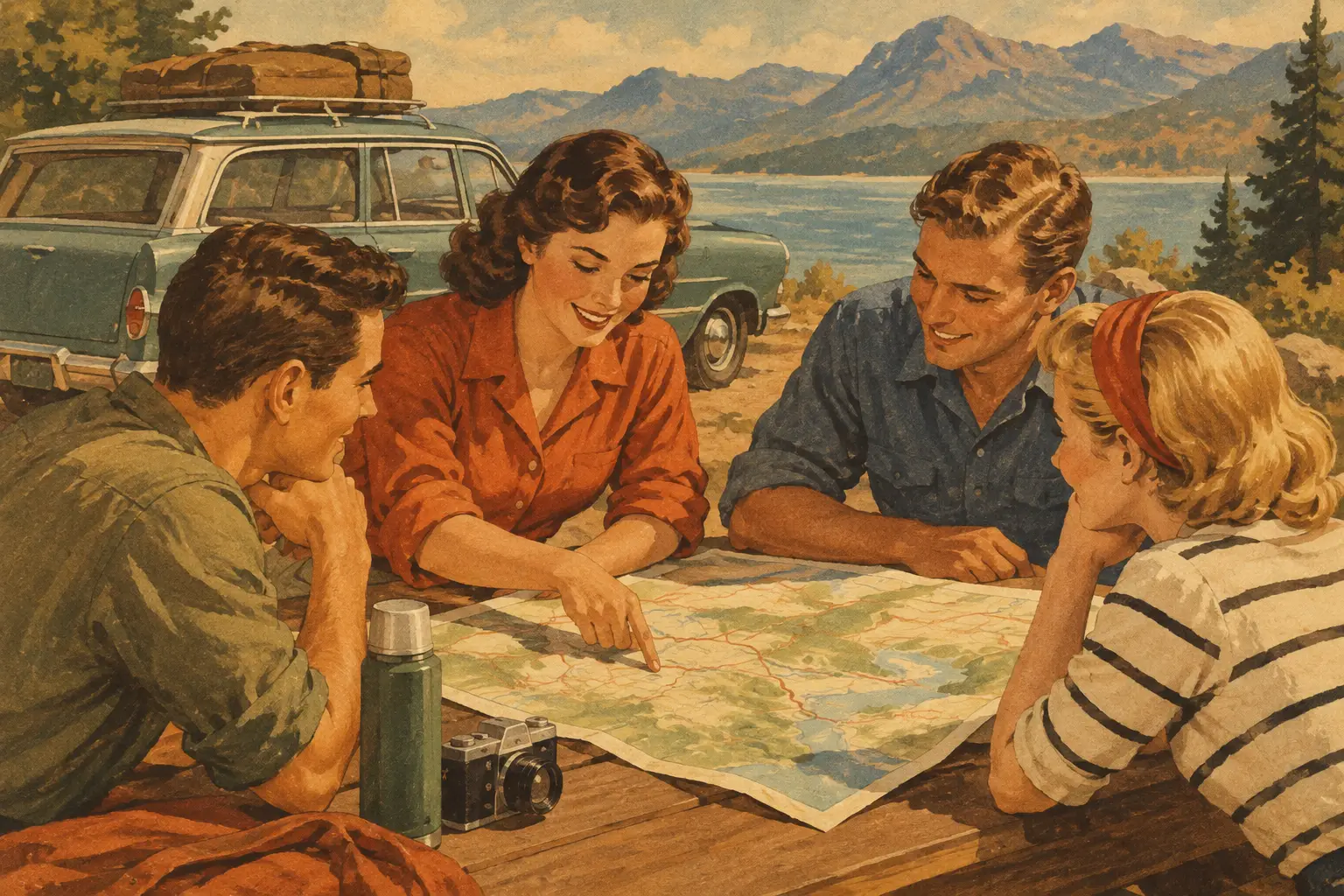
The best trip planning does not start with a spreadsheet. It starts with a moment: your friend sends a rooftop bar video, someone spots a cheap flight, and suddenly the group chat is full of “we should go.” The hard part is turning that energy into an actual trip without losing the restaurant saves, confirmation emails, route ideas, and everyone’s opinions along the way.
A good plan leaves room for the unplanned. It gives your crew enough structure to catch the train, make the reservation, and find the trailhead - without turning a long weekend in Chicago or a week on the California coast into a project management exercise. Here is how to build a trip that stays organized from the first saved video to the last camera-roll recap.
Start Trip Planning With a Reason to Go
Before comparing flights, get clear on what the trip is supposed to feel like. A beach escape, food-first city break, national park road trip, and family resort week can all happen in the same month, but they need very different pacing, budgets, and locations.
Pick a loose trip theme and a few non-negotiables. Maybe your group wants live music, walkable neighborhoods, and one special dinner. Maybe it is a hiking weekend where the scenic route matters as much as the destination. Couples may want a balance of planned experiences and slow mornings; families may need shorter transfer times and backup activities. There is no universal “best” itinerary. The right one fits the people going.
This is also the moment to set a realistic budget range. You do not need every dollar assigned yet, but an early range prevents the familiar problem where one person is researching boutique hotels while another assumes everyone is splitting a budget motel. Include transportation, stays, food, activities, local rides, and a little extra for the spontaneous yes.
Plan: Put the Moving Pieces in One View
Trips get messy when details live everywhere: flights in email, hotel addresses in a text thread, restaurant lists in a map app, and activity times in somebody’s Notes folder. Bring the essentials into one itinerary as soon as you book or save them.
Start with the fixed points: flight or train arrivals, accommodations, rental car pickup, cruise departure, ticketed events, and restaurant reservations. These are the anchors for everything else. Once they are visible in chronological order, you can spot impossible connections before you are dragging suitcases across town or racing through airport security.
Then add the flexible ideas. Save the coffee shop near your hotel, the viewpoint with sunset potential, the museum that works on a rainy afternoon, and the taco spot your local friend swears by. A map view makes these choices much more useful than a random saved list. You can see what belongs near each other and build days around neighborhoods instead of zigzagging across a city for one viral bakery.
Build days by area, not by wish list
A packed wish list feels exciting until you are on the ground. Give each day a general geographic focus, especially in large cities or on road trips. Keep one or two must-dos, then add nearby options that can flex based on weather, energy, or a reservation running long.
For example, your Saturday might center on Brooklyn: brunch, a waterfront walk, a gallery, dinner, and a show. That is more realistic than trying to squeeze Manhattan brunch, Brooklyn shopping, a Queens food market, and a sunset cruise into one afternoon. The goal is not to see everything. It is to have a day you actually enjoy.
Leave open space, too. Plan for airport delays, getting lost in a great bookstore, taking photos, checking in, and doing absolutely nothing for an hour. The more transfers a day includes, the more buffer it needs.
Book: Confirm What Matters First
Booking in the right order keeps options open. Lock in transportation and lodging once the dates are solid, then secure any experience that would genuinely disappoint you to miss. That might be a national park permit, concert tickets, a popular tasting menu, a guided kayak trip, or a timed museum entry.
For everything else, compare flexibility as well as price. A slightly cheaper hotel may not be the better deal if it is far from the areas you want to explore. A nonrefundable fare can make sense for a certain trip, but it carries more risk if your dates are still shifting. Read cancellation rules before you hit confirm, and save the confirmation number, contact details, and check-in instructions alongside the rest of the trip.
If you are coordinating a group, make the money conversation early and specific. Decide who books what, whether costs will be split evenly, and when everyone needs to send their share. Avoid vague messages like “we’ll figure it out later.” Later is usually when one person has covered three reservations and everyone is trying to remember who ordered the extra appetizer.
An all-in-one tool such as Plan WeGo can keep bookings, map pins, travel times, and the collaborative itinerary together, so the plan stays useful after the research phase. The fewer places your group has to check, the fewer details slip through the cracks.
Go: Make the Itinerary Work in Real Life
Your itinerary should help you make decisions while traveling, not make you feel guilty for changing plans. Each morning, check the day’s first commitment, travel time, weather, and any items with a cancellation deadline. That quick reset can save a lot of frustration.
Keep critical information easy to reach: lodging address, transportation details, reservation names, entry requirements, emergency contacts, and offline access to key routes where possible. If you are driving, add fuel stops, grocery runs, and trailhead parking to the plan. If you are relying on public transit, give yourself more time than the route estimate suggests during rush hour or after big events.
Give every traveler a role
Group travel works better when one person is not carrying the entire mental load. One traveler can own the dinner shortlist, another can watch flight updates, and someone else can be the route person for a road trip. That does not mean everyone needs an assignment. It means the organizer gets to enjoy the trip, too.
Use shared editing with a little structure. Let everyone add ideas, but agree on who makes final schedule calls if timing gets tight. For a friends trip, that may be the person who made the bookings. For a family vacation, it might be whoever is managing the kids’ energy levels. Clear expectations keep small decisions from becoming a 47-message debate.
When plans change, update the itinerary instead of relying on a text nobody will find later. A moved dinner reservation, new hotel check-in time, or rerouted hike affects more than one person. Put the change where the whole crew can see it.
Share: Turn the Trip Into More Than a Camera Roll
The trip does not end when the plane lands. Your itinerary is also a record of what made the experience yours: the scenic overlook worth waking up for, the tiny bookstore you found between plans, the restaurant that became the group’s running joke.
Capture those moments while they are fresh. Add a photo, a quick note, or a recommendation for the next person who asks where to go. If you followed a creator’s itinerary, save your own version with the places you loved and the stops you would skip. If you created a route that worked especially well, share it with friends or package it for other travelers looking for a tested plan.
That is the real win of thoughtful trip planning. You arrive with confidence, stay flexible when the day takes a turn, and leave with something more useful than a scattered folder of screenshots. Keep the plan close, keep your people in the loop, and let the best parts of the trip have room to happen.