
Trip Collaboration That Keeps Everyone Moving
September 24, 2026
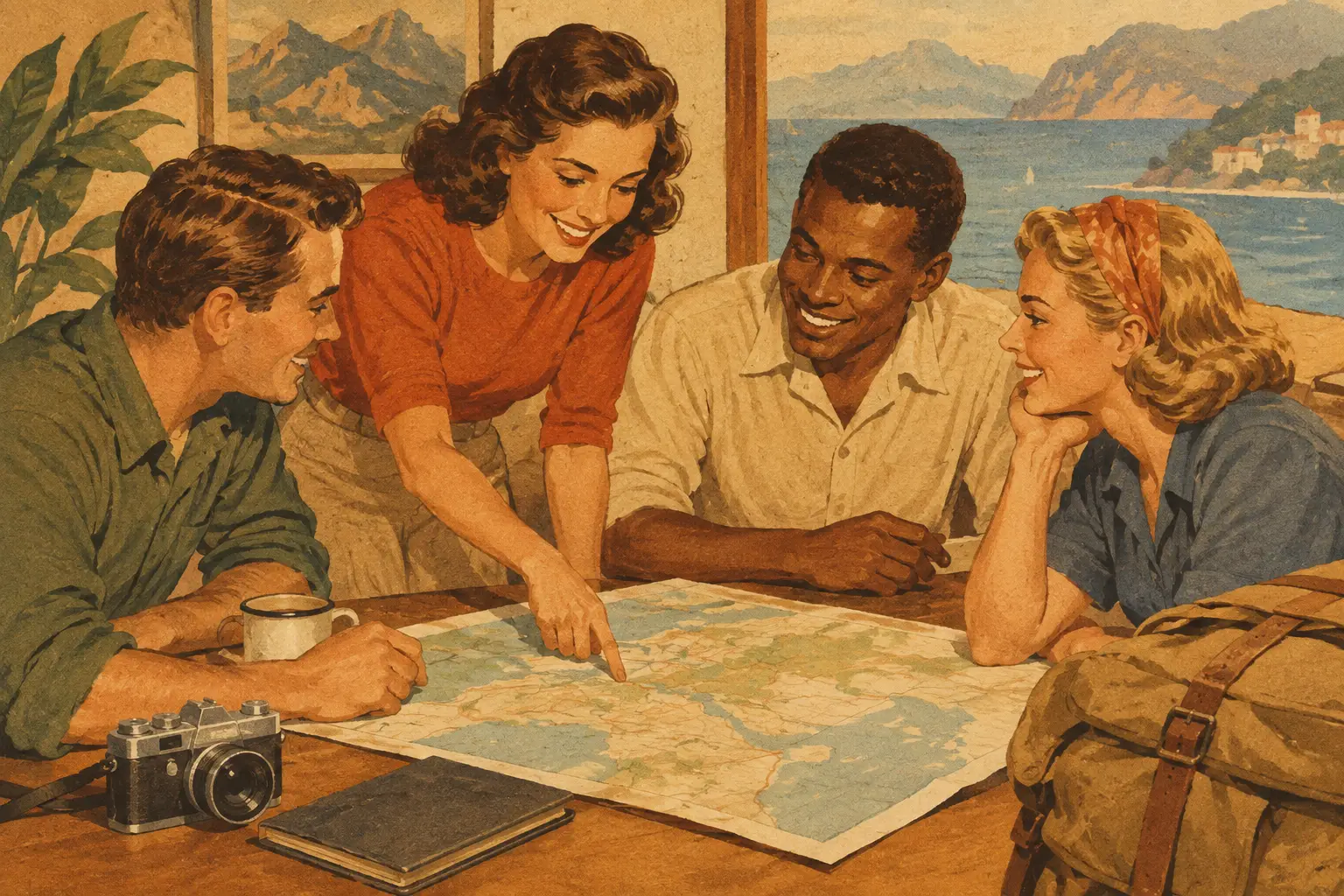
The dinner reservation is at 7:30. One friend thought it was 8:00, another saved the address in a text thread, and the person with the rental car confirmation is still on a flight. That is exactly where trip collaboration earns its place: not as another chat to keep up with, but as one shared home for the trip everyone is trying to enjoy.
Whether you are planning a long weekend with friends, a family beach escape, or a multi-stop road trip, the goal is not to put every traveler in charge of every detail. It is to give the right people the right information at the right moment. When plans, bookings, routes, and ideas live together, the group can spend less time asking for screenshots and more time finding the hidden taco spot, catching sunset, or making the train.
Why group trips fall apart before they begin
Most group-trip stress is not caused by a difficult destination. It comes from fragmented information. Flight details sit in email, restaurant ideas are buried in social saves, lodging instructions are in a group chat, and the final itinerary is somewhere in a note that only one person can edit.
That setup makes even small changes feel bigger than they are. A delayed flight can mean a missed dinner. A change in hotel can make the old walking route useless. When one traveler becomes the unofficial coordinator, they also become the person everyone messages when they cannot find a confirmation, address, or meeting time.
A shared trip space changes the dynamic. Everyone can see the plan, contribute ideas, and stay current without creating an endless stream of notifications. The organizer still has direction, but the group has visibility. That balance matters, especially when people have different budgets, energy levels, and travel styles.
Trip collaboration needs one source of truth
The best shared itinerary is more than a calendar of activities. It connects the details that make each day work: where you are staying, how you are getting there, what requires a reservation, and what is flexible enough to change on the fly.
Start by gathering the essentials in one place. Add flights, train tickets, lodging, rental cars, tours, restaurant reservations, and key contacts. Then place each item where it belongs in the day, not just in a separate folder of confirmations. Seeing a 9:15 a.m. flight beside the airport route and the first-night hotel check-in makes the actual rhythm of the trip clear.
Maps are especially useful here. A saved list of places looks exciting, but location tells the real story. That can reveal that the brunch everyone wants is 40 minutes from the museum, or that three top picks are within blocks of your hotel. Build days around neighborhoods and routes when possible. You will waste less time crossing town and leave more room for spontaneous finds.
Give people the right level of access
Not every collaborator needs the same ability to edit. A couple planning their anniversary might both manage the full itinerary. A friend group may want two organizers to control bookings while everyone else adds ideas and checks the schedule. For a family trip, parents may prefer to share a viewable itinerary with grandparents or teens without opening every detail to changes.
Clear permissions protect the plan without shutting people out. They also make it easier to invite new people later, whether that is a friend joining for one day or a travel buddy who wants the route for an upcoming hiking weekend.
Plan together without turning every choice into a vote
Collaboration does not mean every decision needs unanimous approval. That approach can make picking a coffee shop feel like a board meeting. Instead, give the group a simple way to contribute before the itinerary is locked.
Ask for the choices that shape the trip: must-see places, food priorities, activity level, budget comfort, and nonnegotiable timing. Someone may care most about live music. Someone else may want one slow morning and a great pool. Those preferences are useful early, when you can design a trip that feels considered rather than overstuffed.
Once the big pieces are in place, assign a light owner to each moving part. One person can compare lodging options, another can shortlist dinner spots, and another can map the scenic stops for a road trip. This is not about giving people homework. It prevents duplicate research and lets every traveler bring something to the experience.
There is a trade-off. Too much structure can make a getaway feel scheduled down to the minute; too little can leave the group standing on a sidewalk hungry and undecided. A good rule is to lock in anything with a reservation, deadline, or long travel time, then leave open blocks for wandering, resting, and following a local recommendation.
Keep bookings connected to the day they affect
A booking confirmation is only helpful if people can find it when they need it. Put transportation, stays, and reservations directly into the shared itinerary, along with the practical details that usually get lost: confirmation numbers, check-in windows, pickup locations, baggage notes, parking instructions, and contact information.
This matters most on transition days. The morning you leave one city for another is rarely the time to hunt through email for a train platform or rental-car return address. When the group can see the day at a glance, each traveler can handle more of the journey independently while still moving in the same direction.
It also makes changes easier to communicate. If a booked activity moves, update it once in the itinerary instead of sending a correction that may disappear beneath photos, memes, and dinner debate. Everyone checks the same plan, and nobody has to guess which message was the final answer.
Use the map to make the trip feel possible
A travel map is not just for navigation. It is where a wish list becomes a realistic route. For city breaks, it helps groups cluster attractions, restaurants, and photo-worthy stops by neighborhood. For road trips, hikes, and bike rides, it helps you account for distances, trailheads, fuel stops, timing, and the places worth pulling over for.
Visual planning can also help settle the classic group question: Is this worth it? Sometimes the answer is yes, even if it means a longer drive for a once-in-a-trip experience. Other times, seeing the distance makes it obvious that a closer option gives everyone more time to enjoy the day. The best choice depends on the group, not on a rigid rule.
Plan WeGo brings those routes, bookings, and saved places into a shared mobile itinerary, so the plan travels with the people using it. That is a better fit for real travel than a document that only works when everyone has a laptop open.
Make room for the trip you did not plan
The strongest itineraries have a little breathing room. A rainy afternoon may turn a beach day into a gallery stop. A local may recommend a bakery that never appeared in your research. Your group may decide that the best memory of the weekend was the unplanned two-hour lunch, not the attraction you expected to rush to next.
Keep the core schedule visible, but treat flexible time as a feature. Add interesting options near where you will already be, save them to the map, and choose in the moment based on weather, energy, and appetite. This gives spontaneous travelers room to roam without making detail-oriented travelers feel like the whole day is drifting.
Communication matters here, too. A quick update to the shared plan can say more than a dozen messages. If the meeting point changes, if one pair is heading back to the hotel, or if dinner moves later, the group has a clear reference point.
Turn shared planning into shared memories
Trip collaboration should not end when the return flight lands. The itinerary becomes a record of where you went, what you loved, and the moments worth revisiting. Add photos, notes, and favorite places while the details are fresh. That way, the rooftop bar with the perfect city view does not become a vague memory labeled somewhere downtown.
For creator-minded travelers, a well-documented trip can become something useful beyond your own camera roll. A thoughtful route, complete with stays, stops, and practical notes, can inspire friends or become a polished plan others can follow. The difference is context: show people not only what looked good, but how the day flowed and why the stops worked together.
The next time your group starts sending destination reels and saying we should go, give those ideas a place to land. A shared trip is easier to say yes to when everyone can see how it comes together.