
Travel Maps That Turn Plans Into Better Trips
October 14, 2026
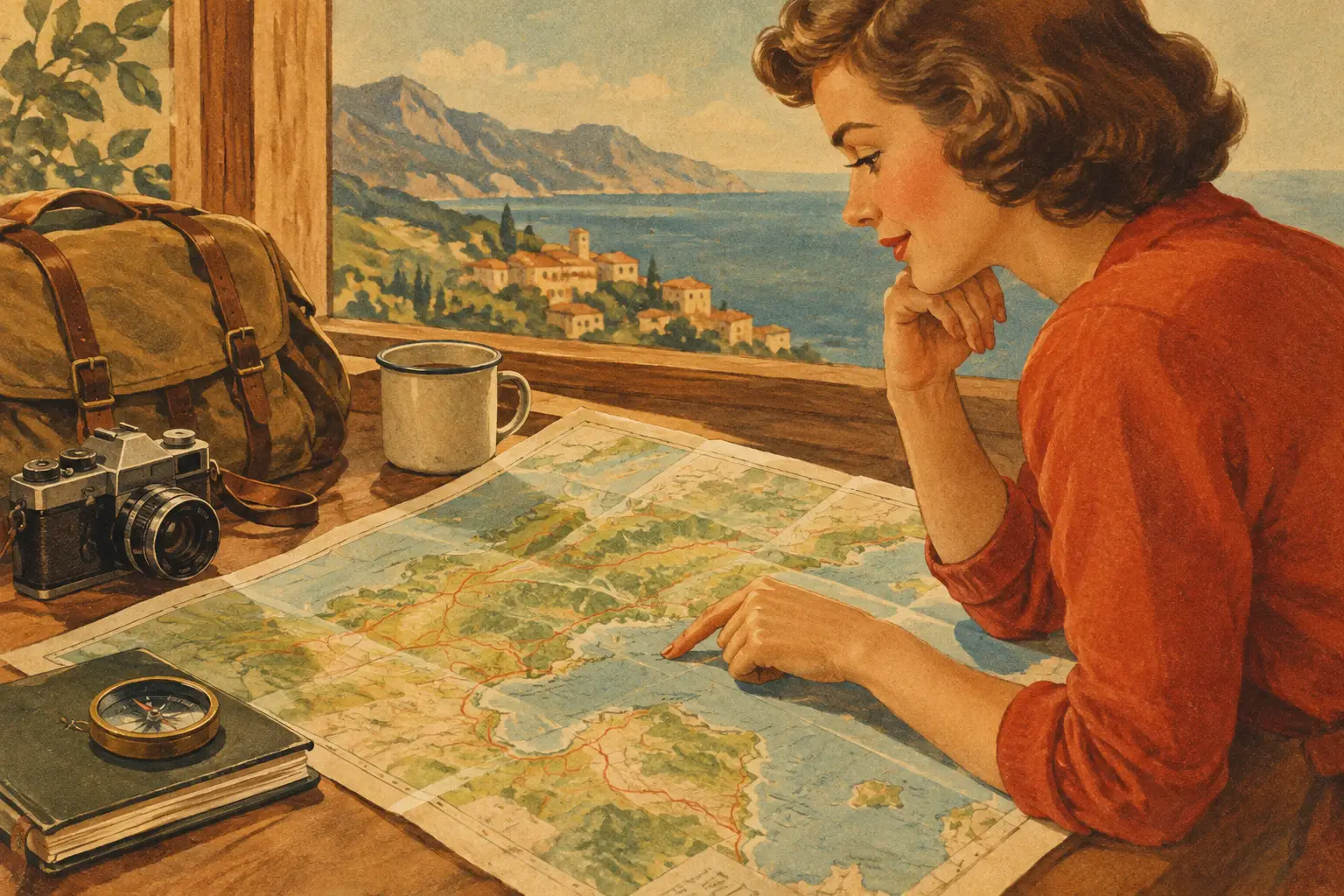
A saved restaurant on Instagram, a hotel confirmation in your inbox, a hiking trail in a group chat, and a dozen “we should go here” messages can sound like the beginning of a great trip. Until nobody knows what is near what, how long the drive takes, or whether that sunset spot is realistic before dinner. Travel maps turn scattered inspiration into a plan you can actually use.
For city weekends, cross-country road trips, and packed group vacations, a map is more than a way to get directions. It is the clearest view of how your trip fits together. You can spot a bad route before it steals an afternoon, find a hidden gem near your reservation, and make sure the places everyone cares about are part of the plan.
Why Travel Maps Make Trips Feel Easier
A trip looks very different when you can see it geographically. A list may tell you that you booked brunch, a museum, a rooftop bar, and a concert. A map tells you whether those plans create a relaxed day in one neighborhood or a zigzag across town with three expensive rideshares in between.
That visual context matters most when your schedule has moving parts. Maybe your flight lands later than expected, your friends want a beach afternoon, or the trailhead is farther from your cabin than it looked online. With your stops pinned in one place, it is easier to rearrange the day without losing track of the details that make it work.
Travel maps are especially useful because they bring inspiration and logistics into the same view. The coffee shop you saved for its beautiful patio can sit beside your hotel, transit stop, and afternoon activity. You are not choosing between a dream trip and a practical trip. You are building one that has room for both.
Plan: Start With the Places That Matter Most
The best map starts before you have a perfectly polished itinerary. Add the anchors first: flights, lodging, rental car pickup, cruise terminal, train station, or campsite. Then pin the places that made you want to take the trip in the first place, whether that is a famous food market, scenic overlook, museum, beach, or tucked-away bookstore.
Once those essentials are visible, patterns appear quickly. You might realize the hotel you are considering puts you close to most of your plans. Or you may see that changing one reservation could save two hours of driving. This is where a map earns its place in the planning process: it helps you make decisions based on the actual shape of your days.
Organize pins without overplanning
Not every pin needs a time slot. Some are must-dos, while others are good backups for a rainy afternoon or a sudden appetite for tacos. Labeling places by type or priority keeps the map useful without turning every moment into an assignment.
For a long weekend, try grouping pins around a few natural categories: places you have booked, food and drinks, activities, viewpoints, and flexible ideas. For a road trip, add gas stops, charging stations, trailheads, scenic detours, and overnight stays. The goal is not to fill every open space. It is to know your options when the day changes direction.
There is a trade-off, of course. A map stuffed with hundreds of pins can become as hard to use as a chaotic saved-posts folder. Be selective. Save the spots you genuinely want to consider, then use the map to identify which ones fit your route, time, and travel style.
Book: Check the Route Before You Commit
A reservation can look perfect on its own and still be wrong for your itinerary. That waterfront hotel may be beautiful, but if it adds an hour each way to the neighborhoods you want to explore, the deal might not feel like a deal once you arrive.
Before booking, use your map to check the full picture. Look at where you will land, where you will sleep, where your main activities happen, and how you will get between them. This is valuable for every kind of traveler, but it can save a group trip from a lot of avoidable friction. Nobody wants to learn after check-in that half the crew is across town from the plans they voted for.
Mapping also helps you make smarter calls on transportation. A rental car may be essential for a national park loop but unnecessary for a walkable city break. A train can be more relaxing than a drive if your lodging and activities sit close to the stations. It depends on your route, your group size, and how much flexibility you want, but the decision gets easier when the trip is visible at a glance.
In Plan WeGo, your bookings, saved places, and route ideas can live alongside one another, so the details do not disappear into separate apps, confirmation emails, and screenshots. That means less time searching for addresses and more time choosing the places that will make the trip memorable.
Go: Build Days Around Geography, Not Guesswork
When you are on the ground, a good travel map becomes your decision-making companion. It can show what is nearby when a reservation ends early, help you find a lunch stop along the drive, or point you toward an activity that makes sense before sunset.
This is where flexible planning shines. Instead of creating a rigid morning-to-night checklist, build each day around an area or route. Spend a day in one part of the city, cluster stops near the coast, or plan a drive with room for scenic pullovers. You will spend less time backtracking and more time noticing the places you traveled to see.
Make road trips and outdoor routes more realistic
For road trips, hikes, and bike rides, maps do more than connect points A and B. They help you understand the experience between those points. A route may pass a lake worth stopping for, a trail with limited parking, or a stretch with few food options. Those details can turn an ambitious plan into a comfortable one.
Check drive times honestly, especially on mountain roads, island routes, and busy holiday weekends. Add buffer time for photo stops, bathroom breaks, traffic, and the spontaneous detour that becomes everyone’s favorite story. A six-hour drive rarely stays a six-hour drive when it is part of a vacation, and that is usually a good thing.
If you are hiking or biking, use your map as a practical safety tool too. Know your trailhead, parking area, turnaround point, water access, and backup route. Adventure is better when your crew can enjoy the view without wondering where the car is or whether daylight is running out.
Share: Let Everyone See the Same Trip
Group travel gets complicated when the plan lives in five different places. One person has the booking emails, another has a color-coded note, someone else has the restaurant list, and the person driving is trying to interpret voice messages at a gas station.
A shared map gives everyone a common reference point. Friends can add ideas, compare neighborhoods, and see why a particular route makes sense. Couples can divide research without duplicating it. Families can keep key details clear while still leaving room for each traveler’s favorite stop.
Sharing does not have to mean giving every person the same level of control. Some trips need collaborative editing, while others work better when one organizer keeps the itinerary tidy and shares view access with the group. The right setup depends on your crew. What matters is that everyone can find the information they need without asking, “Wait, where are we meeting?” for the fourth time.
Travel maps also make it easier to share the trip after it happens. The route, stops, photos, and favorite finds become the bones of a story worth revisiting. For creators, that can become a polished itinerary others can follow. For everyone else, it is a better way to remember more than just the highlights in your camera roll.
A great map does not force a trip into a straight line. It gives you enough clarity to say yes to the unexpected - the local recommendation, the extra viewpoint, the restaurant you found while wandering. Pin the essentials, leave space for surprises, and let the route make the adventure feel possible.