
Travel Creator Storefront Example That Sells
November 4, 2026
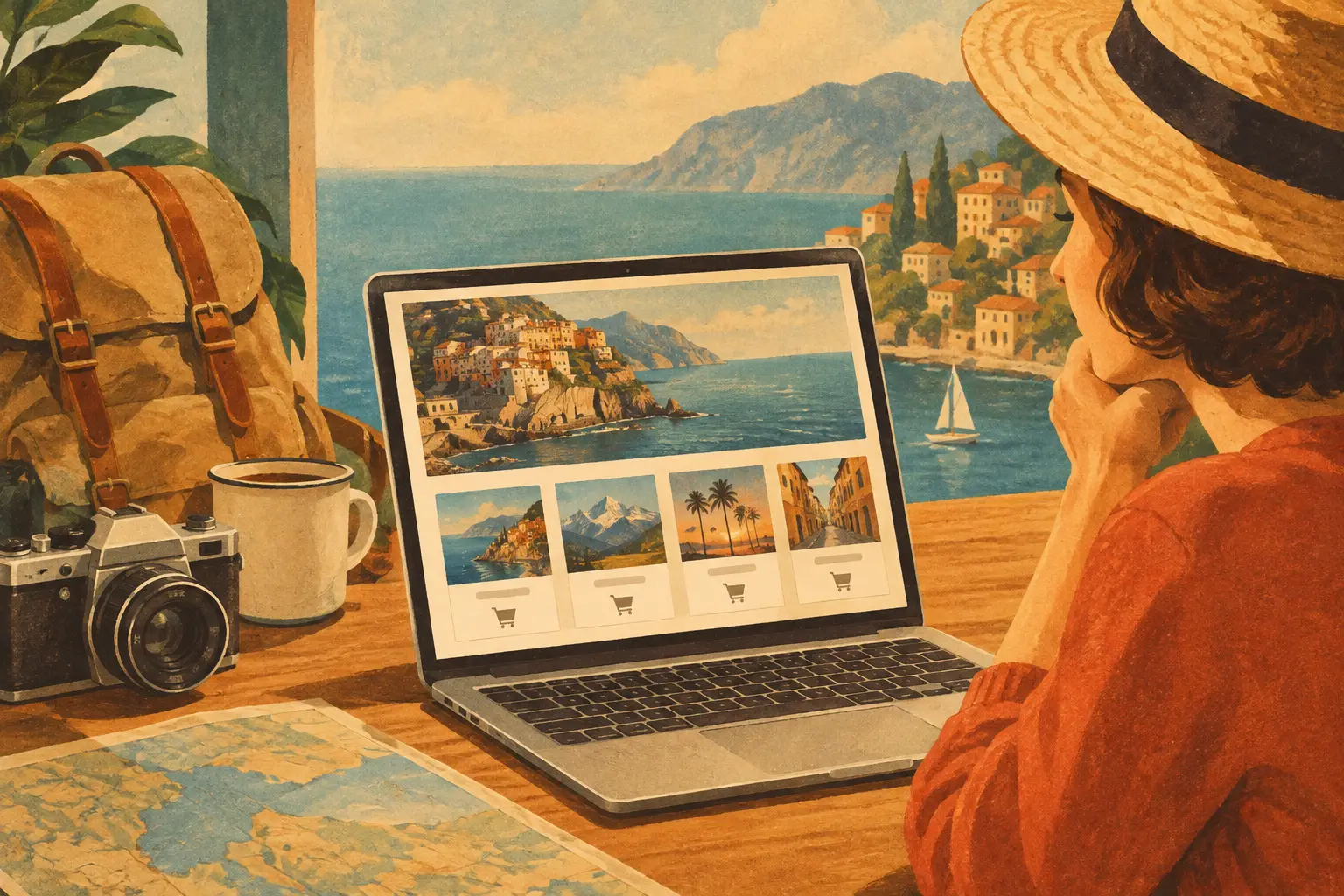
A gorgeous carousel can make someone save your post. A useful trip plan can make them trust you enough to follow your route. That is the difference a strong travel creator storefront example makes: it turns your local knowledge, hotel picks, map pins, and hard-won travel lessons into something your audience can use when their own departure date gets close.
For travelers, a storefront should feel less like a list of sponsored recommendations and more like opening a well-organized trip folder from the friend who always knows where to go. For creators, it should make your content easier to discover, easier to buy, and easier to deliver without rebuilding an itinerary every time someone sends a DM.
What a travel creator storefront should do
A storefront is not simply a page full of destination names. It is the home for ready-to-use travel plans built around a specific kind of traveler, a realistic timeframe, and a clear experience. The best ones answer the questions people have after they see the Reel: How many days do I need? Where should I stay? What should I book first? Can I follow this without renting a car? Is this route right for a couples trip, a friend group, or a solo weekend?
That clarity matters because travel decisions are rarely made in one moment. Someone may discover your Kyoto food guide during lunch, save it for months, then need a day-by-day route when they finally book flights. A storefront connects that spark of inspiration to the practical details that help them go.
The format also respects what makes creator recommendations valuable. Your audience is not only looking for a famous viewpoint or a viral pasta spot. They want your point of view: the neighborhood worth waking up in, the beach town that fits a slower pace, and the route that avoids spending half the day backtracking.
A travel creator storefront example: a 4-day Lisbon plan
Imagine a creator named Maya, known for stylish, walkable city breaks with excellent food and a few well-chosen splurges. Her storefront leads with a plan called Lisbon in 4 Days: Tiles, Tascas, and Sunset Views.
The title gives travelers a feeling for the trip, but the plan page gives them enough detail to make a decision. It opens with a short promise: a four-day Lisbon itinerary for couples, friends, and first-time visitors who want classic sights, neighborhood restaurants, and time to wander without rushing across the city.
Next comes the practical snapshot. Maya notes the ideal season, estimated daily walking, whether public transit is enough, and where the itinerary begins and ends. She explains that the plan works best with lodging in Baixa, Chiado, or Príncipe Real. That small detail can save a traveler from booking a beautiful hotel far from the route they actually want to follow.
Then the itinerary becomes actionable.
Day one: Start with the city center
Maya maps a gentle first day through Baixa and Alfama, beginning with a coffee stop near the hotel area, continuing to a viewpoint before midday crowds, and ending at a casual restaurant with reservations encouraged. Each stop includes a note about timing, what to order, and why it belongs on this particular day.
The difference is sequencing. A collection of Lisbon favorites is useful. A mapped route that tells travelers which places fit together is more useful. It helps them spend less time switching among map pins, screenshots, and group-chat suggestions.
Day two: Build in one memorable booking
On day two, Maya directs travelers to Belém in the morning, with a reminder to reserve a popular museum slot before arrival. The afternoon shifts back toward the center, leaving room for a hotel reset before a special dinner.
This is where a creator plan earns its place. It does not need to pack every hour with recommendations. A good itinerary protects the moments that make a trip feel good: enough time for a long lunch, a weather backup, and a little space when someone in the group wants to browse a shop or take photos.
Days three and four: Add flexibility without losing the route
Maya offers two versions of day three: a Sintra day trip for travelers who want a big sightseeing day, or a neighborhood-focused Lisbon route for those who would rather move slowly. On the final day, she suggests a market breakfast, a last souvenir stop, and airport timing based on the traveler’s departure window.
That flexibility is smart. A plan that is too rigid can feel intimidating, while a plan that is too vague feels like another saved post. Give travelers a confident default route, then offer a thoughtful swap when preferences, weather, or energy levels change.
What makes this storefront worth buying
The plan succeeds because Maya is not selling information that appears in a basic search. She is selling organization, context, and confidence.
Her storefront includes lodging guidance, reservation reminders, route order, transit notes, and personal details that are hard to get from a generic destination roundup. Travelers can see the map, understand the pace, and decide whether the experience fits their trip before they commit.
A strong plan also makes expectations clear. If a restaurant is small, say so. If a hike requires proper shoes, say so. If a beach club is best for a celebratory afternoon rather than a low-budget day, say that too. Trust grows when the plan names trade-offs instead of pretending every recommendation works for everyone.
Price should reflect the depth of the plan and the outcome it creates. A compact one-day neighborhood guide may be a lower-cost introduction to your work. A multi-stop road trip with lodging areas, scenic pull-offs, activity timing, and route notes can support a higher price. There is no magic number, but the value should be obvious from the preview.
Plan the storefront around real travel moments
The most useful storefronts are organized by how people travel, not only by where they travel. Destination collections still matter, but a traveler often starts with a need: a long weekend, a friends trip, a honeymoon add-on, a national park route, or a first international city break.
Consider featuring plans such as a three-day New York food weekend, a Pacific Coast Highway route, a first-time Japan itinerary, or a rainy-day Paris plan. These concepts help someone recognize themselves in the trip immediately.
Within each plan, organize recommendations through the same journey your customer will take: plan, book, go, and share. During planning, they need the big picture and the route. Before booking, they need lodging areas and reservations to prioritize. On the trip, they need map-based directions, confirmation details, and quick notes. Afterward, they may want to preserve favorite places and share their version of the experience.
That is why a travel platform built for itineraries can be a better home than a static document. With Plan WeGo, creators can package a visual route with the practical trip details travelers need, while buyers can keep their plans, bookings, maps, and shared updates closer together.
Make the storefront feel like you
Your storefront should be recognizable before someone reads every word. A luxury-focused creator might lead with refined hotel choices, reservation strategy, and special-occasion pacing. An outdoors creator might make trail difficulty, parking, sunrise timing, and gear notes impossible to miss. A budget-minded city expert may focus on transit, affordable neighborhoods, and where a splurge is genuinely worth it.
Consistency is more powerful than trying to appeal to every traveler. If your audience follows you for quiet coastal escapes, do not bury that identity beneath random destination guides just because a place is trending. Build a clear lane, then create variations within it.
Photos and short videos should show the feeling of the route, but captions and plan descriptions should do the work of setting expectations. Mention crowds, stairs, drive times, reservation windows, and seasonal changes. Beautiful travel content gets attention. Useful details help people hit purchase with confidence.
Keep improving after the trip goes live
A storefront is not finished when you publish it. Watch which plans people save, buy, and ask questions about. If travelers repeatedly ask where to stay, add clearer neighborhood guidance. If a restaurant changes its reservation process, update the note. If a day trip is too ambitious for most travelers, offer a slower alternative.
Your best future itinerary may come from the friction you remove for someone else. Keep the route current, keep the voice personal, and keep the promise specific. When travelers can picture themselves following your plan from arrival to final sunset, your storefront stops being a collection of content and becomes a reason to book the trip.