
Social Travel Planning Trends Shaping 2026
November 17, 2026
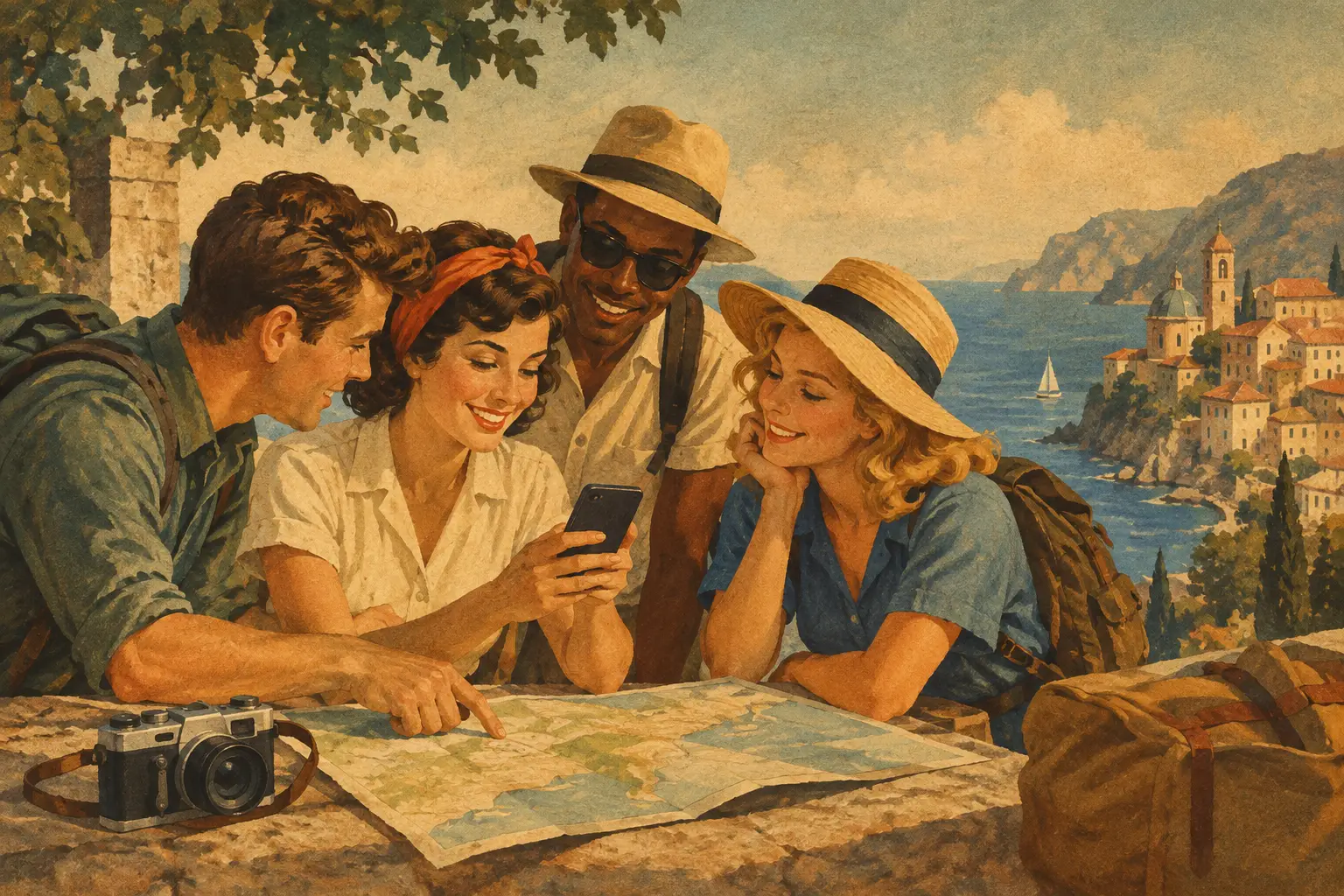
A great trip can still start with a saved video of a rooftop bar or a friend dropping a pin into the group chat. The difference is what happens next. Social travel planning trends are moving those scattered sparks of inspiration into shared, living trip plans where everyone can see the route, weigh in on priorities, and keep the details close at hand.
For travelers who already use their phones to research, reserve, navigate, document, and share, planning is no longer a solo spreadsheet exercise. It is part of the travel experience itself. The best tools make room for the fun of discovering hidden gems while keeping confirmations, meeting points, and changing plans organized.
Social travel planning trends are getting more collaborative
Group trips have always involved compromise. One person wants the early museum ticket, another wants a slow coffee morning, and someone needs to know whether the rental car is actually booked. What has changed is the expectation that everyone should be able to participate without becoming the group's unpaid travel coordinator.
Shared itineraries are replacing long message threads because they give each decision a home. Travelers can add an idea, see it on a map, comment on the timing, and understand how it fits with the rest of the day. That matters most on multi-stop vacations, road trips, and friend getaways, where a great recommendation can become inconvenient if it is two hours in the wrong direction.
Collaboration does not mean every traveler needs equal editing power. Couples may want a simple shared view, while a family organizer may need control over lodging and transportation details. Friend groups often work best when everyone can add places to a wish list but only a few people finalize the schedule. Flexible sharing permissions make participation feel useful instead of chaotic.
The group chat is becoming a starting point, not the plan
Group chats are excellent for excitement. They are less reliable for finding a train number sent three weeks ago or confirming which beach club everyone agreed on. Social planning works when the conversation can lead somewhere more durable: a central itinerary with the key bookings, route details, contacts, and ideas connected.
That shift also reduces decision fatigue. Rather than reopening the same debate every night, travelers can compare a few mapped options and make a call. The goal is not to schedule every minute. It is to protect the moments that matter and leave breathing room for the spontaneous ones.
Creator-led itineraries are becoming trusted shortcuts
Travel inspiration has become intensely visual. A 20-second clip can introduce a neighborhood, a scenic drive, or a hike that never appeared in a traditional guidebook. But inspiration alone does not answer practical questions: How long should you stay? What should you reserve first? Can these stops work in the same afternoon?
That is why creator-led plans are gaining traction. Travelers increasingly want recommendations from people whose style, budget, and interests they recognize, paired with the real structure needed to use those recommendations. A thoughtful weekend plan from a trusted city expert can save hours of research while still leaving room for personal picks.
The trade-off is worth remembering. An influencer itinerary is a perspective, not a universal answer. A packed food-focused plan may not suit a family with young kids. A sunrise hike can be perfect for an adventurous couple and miserable for someone on a red-eye arrival. The strongest plans explain the rhythm of a trip and make it easy to adjust rather than pretending one route fits everyone.
For creators, this trend changes the value of travel content. A beautiful post may earn attention, but a usable plan earns trust. Packaging favorite stays, restaurants, viewpoints, activities, and routes into an organized itinerary gives followers a practical way to go from “save this” to “we're going.”
Maps are becoming the center of the itinerary
A list of places can look impressive while creating an exhausting day. Mapping brings the real shape of a trip into view. It shows when a popular bakery is around the corner from a museum, when a dinner reservation will require a cross-town rush, and when a road trip stop is worth the detour.
This is especially useful for travelers who plan around movement. Hikers can organize trailheads, parking areas, and post-hike meals. Bikers can build a route that includes scenic stops and practical refill points. Road trippers can see how lodging, gas, activities, and overlooks connect across several days.
Map-based planning does not eliminate surprises. Traffic, weather, sold-out attractions, and tired feet will still change the day. It does give travelers a better starting point and a faster way to make a smart pivot. When plans live visually, moving an activity is easier than untangling a dozen separate notes and browser tabs.
AI is shifting from generic suggestions to trip context
Travelers are comfortable asking AI for recommendations, but generic answers have a short shelf life. “Best restaurants in Miami” is less helpful than a suggestion that understands you have a hotel in South Beach, tickets in Wynwood at 7 p.m., a rental car, and a preference for casual seafood.
The next useful layer of AI is context. It can help surface places that fit the route, fill a gap in an itinerary, or suggest alternatives when plans change. It can also make the research phase less overwhelming by narrowing an endless stream of options into recommendations that match a traveler's pace and interests.
Still, personalization should support judgment, not replace it. Travelers may want an AI-generated route for efficiency, then choose the slightly less convenient coffee shop because it has the atmosphere they were hoping for. Great trip planning leaves space for taste, timing, and a little serendipity.
Booking and planning are coming back together
The old travel workflow was fragmented by design: find inspiration in one app, research in another, book through several sites, receive confirmations by email, then rebuild the itinerary somewhere else. Travelers are increasingly looking for fewer handoffs.
Bringing planning and booking closer together makes a trip easier to manage after the purchase, not just before it. Once a flight, hotel, rental car, restaurant, or activity is confirmed, it should become part of the actual trip view. That gives the group a clearer picture of what is fixed, what is flexible, and what still needs attention.
There is a practical benefit during the trip, too. When a traveler needs an address, check-in time, route, or confirmation, the answer should not be buried in an inbox. A mobile-first hub keeps the essentials available when standing on a platform, checking into a hotel, or trying to choose dinner after a long day.
Plan WeGo is built around that full rhythm: Plan, Book, Go, and Share. Instead of treating a trip as disconnected transactions, it helps travelers bring transportation, stays, activities, routes, maps, and shared ideas into one place.
Sharing is moving beyond the highlight reel
Travel documentation is becoming more collaborative and more useful. Friends want the polished photo carousel, but they also want the address of the tiny wine bar, the trail route, and the neighborhood hotel that made the weekend work. Travel memories are starting to carry practical value for the next person planning a similar escape.
This does not mean every trip needs to become content. Some travelers will share publicly, while others will keep a private record for their group or family. The important trend is control: being able to decide who sees a plan, what gets shared, and whether a trip becomes a personal memory, a group keepsake, or a reusable guide.
For frequent travelers, that history becomes an advantage. Past itineraries capture more than places visited. They preserve the pacing, routes, reservations, and small discoveries that made a trip feel like your kind of trip. The next getaway starts with better context than a blank notes app.
The winning trip plan leaves room to wander
There is a risk in making travel too optimized. If every meal, viewpoint, and transit transfer is locked into a schedule, a vacation can start to feel like a project plan. Social planning should reduce the administrative work so travelers can be more present with each other, not turn every day into a race.
A smart approach is to anchor the nonnegotiables first: flights, lodging, timed tickets, major transportation, and one or two must-do experiences. Then add nearby possibilities, shared wish-list items, and open windows for wandering. Your plan stays dependable without losing its sense of discovery.
The most exciting shift in travel planning is not another feature or feed. It is the idea that a trip can be organized enough to feel easy and social enough to feel shared. Keep the details together, invite the right people in, and save space for the unexpected place everyone remembers most.