
How to Find Hidden Gems That Fit Your Trip
October 20, 2026
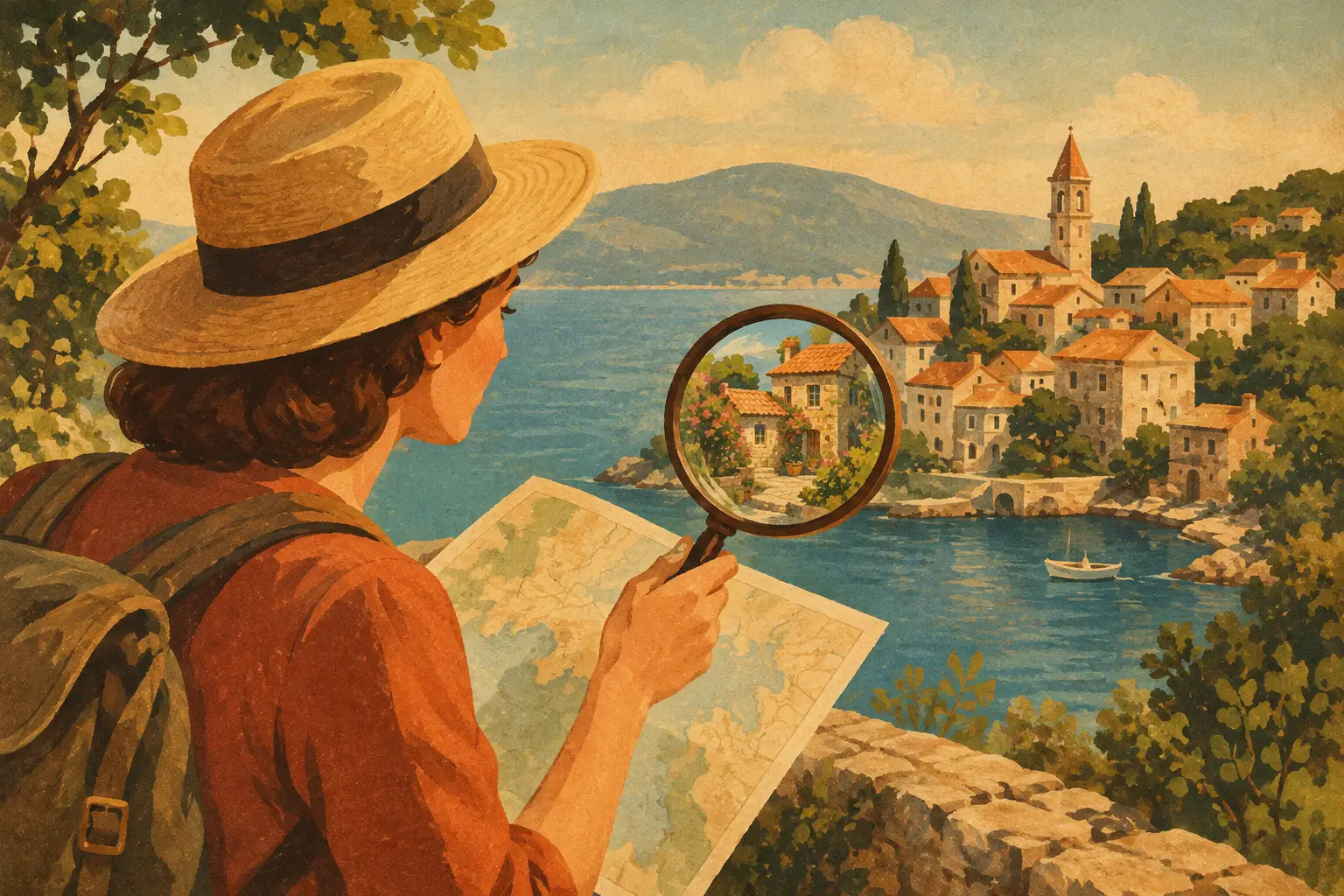
The best travel stories rarely begin with the place everyone saved. They begin when you turn down a side street for a bakery with a line of locals, catch sunset from a neighborhood overlook, or find a trail that makes the crowded one feel like a backup plan. Learning how to find hidden gems is less about chasing secret spots and more about noticing the right signals, then making room for them in a trip that still runs smoothly.
A hidden gem does not have to be unknown. Sometimes it is a popular place at the right hour, a restaurant just beyond the tourist zone, or a scenic route that fits between two reservations. The goal is not to collect obscure pins for bragging rights. It is to find places that feel personal, memorable, and worth the detour.
Start With What Your Group Actually Loves
The fastest way to waste time is to search for hidden gems before you know what kind of gem you are looking for. A quiet coastal cove will thrill a couple looking for a slow afternoon and disappoint a friend group hoping for live music. A low-key ramen counter may be a perfect city-break find, but not if someone in your group needs a gluten-free menu.
Start with the trip mood. Are you after photogenic streets, great coffee, vintage shopping, kid-friendly stops, rugged hikes, late-night food, or an easy scenic drive? Pick two or three priorities instead of trying to do everything. That filter turns a flood of travel content into useful ideas.
It also helps to name your non-negotiables. Maybe your group wants one big adventure day but refuses to start before 9 a.m. Maybe you are traveling with kids and need a playground or pool break every afternoon. Great finds should support the way you want to travel, not force everyone into a schedule that looks good only on a screen.
How to Find Hidden Gems Before You Arrive
Follow local patterns, not just viral posts
Social feeds are excellent for visual inspiration, but a viral reel is only the first clue. Look beyond the location tag. Notice where the creator grabs coffee before the main attraction, which neighborhood appears in their background, or where locals in the comments tell people to go instead. Those details often lead to the more interesting stop.
Search recent posts from small local creators, neighborhood photographers, chefs, runners, hikers, and artists. Their recommendations tend to be specific because they return to the same areas often. A creator with 3,000 engaged local followers can be more helpful than a broad travel account posting a city once a year.
Use recent reviews with the same care. Read past the star rating and look for repeat mentions: friendly staff, a tucked-away patio, a particular pastry, an unexpectedly good view, or a quiet weekday atmosphere. Repetition is a stronger signal than one dramatic review.
Search by neighborhood and interest
Generic searches bring generic results. Get more precise. Instead of searching for the best things to do in a city, search for bookstores in a specific neighborhood, sunrise viewpoints near your hotel, family-friendly food halls, or short hikes within a realistic drive.
This approach helps you build discoveries around places you will already be. If you have a dinner reservation in one area, look for a gallery, cocktail bar, market, mural block, or dessert spot within walking distance. You will spend less time crossing town and more time enjoying the accidental moments between plans.
For outdoor trips, search by route rather than destination alone. A road trip gets better when you identify the swimming hole, farm stand, viewpoint, or historic main street that sits naturally along the drive. The best stop is often not the most famous one. It is the one that gives everyone a reason to stretch their legs at exactly the right time.
Ask questions that invite real answers
If you ask, “What should I do in Austin?” you may get a dozen obvious answers. Ask, “Where would you take a friend for an unhurried Saturday morning in East Austin?” and people can give you something useful.
The same goes for hotel staff, baristas, tour guides, and shop owners. Share what you like, your time frame, and how far you are willing to go. Ask where they would eat on their day off, which park is best before noon, or where to go when a popular spot is too busy. Specific questions make it easier for people to share places they genuinely care about.
Be gracious about the answer. Some locations are fragile, privately owned, culturally sensitive, or already overwhelmed by visitors. A hidden gem is never an invitation to ignore local boundaries. Respect access rules, parking limits, reservation policies, and neighborhood quiet hours. If a place feels like it cannot handle a crowd, do not turn it into one.
Put Every Good Find on a Real Map
A saved spot is not a plan until it has a place in your day. This is where great ideas either become a highlight or disappear beneath screenshots, browser tabs, group-chat messages, and forgotten notes.
Map each potential stop against your lodging, booked activities, transportation, and the time you actually have. Check opening hours, travel time, elevation gain, parking, and whether reservations are needed. A secluded beach may look perfect until you realize it requires a two-hour round trip, a shuttle with limited service, and a steep walk after dark. That does not make it a bad choice. It just means it belongs on the right day.
Keep a short list for each area rather than committing to every option. One primary stop and one flexible backup is usually enough. If the weather changes, the museum line is long, or your group lingers over lunch, you still have an easy pivot without a frantic new search.
Plan WeGo can keep those saved ideas, confirmed bookings, routes, and shared notes in one visual itinerary, so the group can see whether a promising detour actually works. It is a simple shift: inspiration becomes part of the trip instead of another tab to lose.
Leave Space for the Unplanned Find
Overplanning is the enemy of surprise. A packed itinerary can hit every landmark and still miss the personality of a place. Build margin into your days, especially in neighborhoods known for wandering, on market mornings, and along scenic drives.
That does not mean abandoning structure. Keep the anchors that matter, like a flight, timed entry, dinner booking, or guided tour. Then protect a few open windows around them. An hour after breakfast, a slow walk before dinner, or an unscheduled afternoon can become the part of the trip everyone remembers.
Timing changes everything. Visit a popular neighborhood early before shops fill up, choose a weekday for a beloved restaurant, or save a viewpoint for golden hour after most day-trippers leave. The same location can feel completely different depending on when you arrive.
Pay attention when something catches your eye: a handwritten menu, an interesting side street, a community event poster, or a store window with people drifting in and out. Check the basics first, then follow the curiosity. You do not need every moment optimized to make it worthwhile.
Know When a Detour Is Worth It
Not every hidden gem deserves a last-minute reroute. A good rule: consider the payoff, the effort, and what you will give up. If a stop adds 15 minutes to a drive and offers a view, snack, or experience your group is excited about, take it. If it adds three hours and causes you to rush the rest of the day, save it for another trip.
Energy matters too. After a red-eye flight, the best discovery might be a calm neighborhood café five minutes from your hotel, not the city’s most talked-about rooftop. On a high-energy day, that extra hike or spontaneous ferry ride may be exactly right. Build around how people will feel, not only around what looks impressive.
Turn Finds Into Stories Worth Sharing
When you find something special, document enough to remember it without spending the entire moment behind your phone. Save the location, add a quick note about what made it good, and snap a few photos that capture the feeling as well as the view. Was it the lemon cake, the record-store owner’s recommendation, the empty trail, or the way the whole group finally slowed down?
Share practical context with friends, too. Mention the best time to go, whether it needs a reservation, how long to allow, and what you would do differently. That is the kind of travel content people trust because it helps them make a real decision.
The hidden gems worth finding are not always hidden from everyone else. They are the places that meet you at the right moment, fit the people you are traveling with, and give the trip a little more character. Leave room for those moments, and let the map guide you without letting it decide everything.