
Family Trip Collaboration Guide for Smooth Getaways
August 28, 2026
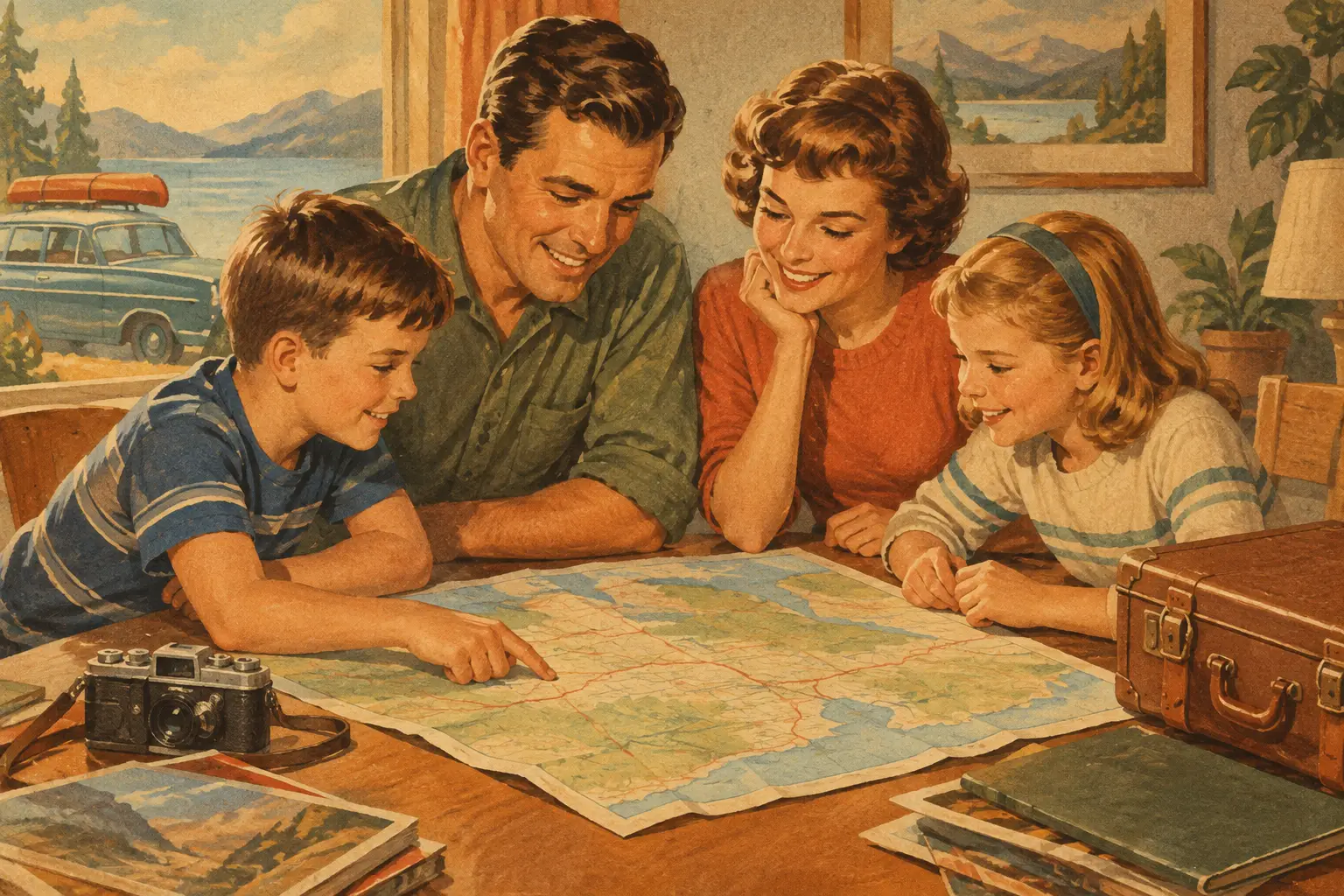
The family group chat starts with a simple question: “Where should we go?” Three days later, someone has sent a beach resort, someone else wants a national park, and the flight confirmation is buried between 40 messages. A family trip collaboration guide gives everyone one shared place for ideas, decisions, reservations, and the little details that keep a great getaway from becoming a scavenger hunt.
Family travel has more moving parts than a couples trip or a quick weekend with friends. You may be balancing school schedules, nap windows, dietary needs, mobility considerations, must-see attractions, and different definitions of “relaxing.” The goal is not to make every moment rigid. It is to make the important information easy to find, while leaving room for spontaneous ice cream stops, scenic detours, and the hidden gems nobody knew to expect.
Start the family trip collaboration early
The best time to invite your travel crew is before the itinerary is set in stone. Bring everyone into a shared trip space as soon as you have a destination shortlist or even a loose travel window. That includes adults making decisions, older kids who have opinions, and any relatives joining for part of the trip.
Early collaboration prevents a common family-planning problem: one person researches and books everything, then discovers another traveler had a nonnegotiable event, restaurant, or activity in mind. Give the group a simple place to add inspiration, whether it is a saved video, a restaurant recommendation, a trail, or a hotel someone spotted online. Ideas can stay ideas until the group is ready to decide.
This does not mean every choice needs a vote. A parent planning a first trip to Disney, for example, may still make the final call on park tickets and hotel location. Collaboration simply makes the priorities visible before money and time are committed.
Set the trip’s shared priorities
Before comparing hotels or building a day-by-day schedule, agree on what success looks like. Is this a low-key beach reset, a food-filled city break, a multigenerational reunion, or a road trip built around national parks? One family may prioritize a pool and walkable restaurants. Another may happily trade those for a cabin near hiking trails.
A short planning conversation can answer the questions that matter most: What is the budget range? Which dates are realistic? What is one must-do for each traveler? How much unplanned time does the group want? These answers create useful guardrails without draining the fun out of the dream-trip stage.
Give everyone a role, not a spreadsheet
Collaboration works best when it has clear ownership. One person does not need to carry every task, and nobody needs a color-coded spreadsheet to contribute. Assign roles around interests and strengths, then keep all final details in the same shared itinerary.
For a larger trip, four roles are usually enough:
- The trip lead keeps decisions moving and watches the overall budget and timeline.
- The transportation planner tracks flights, trains, rental cars, parking, and arrival details.
- The stay and food planner saves lodging options, meal reservations, and grocery stops.
- The experience planner collects activities, tickets, weather backups, and family-friendly favorites.
These roles are flexible. The person who loves finding Insta-worthy cafes can own food ideas, while the practical uncle who always knows the fastest route can handle transportation. If children are old enough, let them choose one activity or snack stop. They are more likely to stay engaged when part of the itinerary feels like theirs.
The trade-off is that too many contributors can slow down decisions. Keep planning permissions broad enough for people to add suggestions, but give one or two adults the ability to confirm final bookings and edit the main schedule. Plan WeGo makes this easier by letting you share a trip with the right people while keeping the itinerary, map, and travel details together.
Build one source of truth for bookings
A booking confirmation is not useful if it lives only in the inbox of the person who paid for it. Add flight details, hotel information, rental-car reservations, activity tickets, restaurant bookings, and key contacts to the shared itinerary as soon as they are confirmed.
For every reservation, include the practical details your family will need in the moment: confirmation number, address, check-in time, cancellation terms, parking notes, and who is responsible for payment. That might sound basic, but it saves a surprising amount of stress when someone is standing at a hotel desk after a delayed flight.
This is also where families should be honest about what does and does not need to be booked ahead. Popular museums, timed-entry parks, and holiday restaurants often need advance reservations. A neighborhood bakery or afternoon playground stop does not. Leave open spaces in the plan so your trip can breathe.
Keep the map connected to the itinerary
A great activity can become a bad day if it is on the opposite side of town from everything else. Map your lodging, reservations, attractions, trailheads, grocery stores, and transportation hubs before locking in the schedule. Seeing locations together makes it easier to group nearby stops and avoid doubling back.
For a road trip, mapping is even more valuable. Add fuel stops, scenic overlooks, meal breaks, charging stations if needed, and your overnight stays. Then look at the actual drive time, not just the miles. A route that seems manageable for two adults may feel very different with toddlers, teens, luggage, or a family member who needs frequent breaks.
Use travel days thoughtfully. Arrival day is rarely the right time for your biggest activity, especially when flights, baggage claim, and unfamiliar roads are involved. Schedule one easy win instead: a nearby dinner, a sunset walk, or a hotel pool session.
Make daily plans clear, but not crowded
The most useful itinerary answers three questions at a glance: where do we need to be, when do we need to be there, and how do we get there? Start each day with fixed commitments, such as a breakfast reservation, a tour, or a train departure. Then build flexible ideas around them.
Avoid treating every saved recommendation as an obligation. A list of 25 restaurants is helpful for choice, but it is not a meal plan. Keep a few nearby options attached to each neighborhood or day, then decide based on energy, weather, and hunger levels when you are there.
Build in buffers that reflect your family, not an imaginary perfect traveler. Young children may need downtime. Teens may want an hour to recharge and scroll. Grandparents may prefer a slower pace or a seat near the action. These needs are not detours from the trip. They are part of designing one everyone can enjoy.
Communicate during the trip without restarting the chat chaos
Once you leave, the itinerary becomes a live tool. Update it when a reservation changes, a rainstorm shifts plans, or a restaurant becomes everyone’s unexpected favorite. A shared plan helps people check the next stop without asking the trip lead the same question five times.
Use the group chat for quick updates and excitement, not as the permanent filing cabinet for travel logistics. “We are meeting in the lobby at 9:15” belongs in the chat. The hotel address, tour confirmation, and parking instructions belong in the itinerary where they can be found again.
Keep one backup plan for high-impact moments. If a flight is delayed, know which dinner reservation can move. If rain cancels the hike, have an indoor option nearby. If the family splits up for an afternoon, make sure everyone knows the meeting location and has the key details on their phone.
Turn shared moments into a trip story
The coordination does not end when you get home. A family trip is full of small moments that rarely appear in a booking email: the roadside fruit stand, the kids’ first view of the ocean, the wrong turn that led to a great viewpoint, and the photo everyone wants framed.
Save photos, notes, favorite places, and route memories alongside the itinerary while they are fresh. This creates more than a record of what you booked. It creates a shareable story that family members can revisit and use when planning the next adventure.
The best family trips are not the ones where every minute goes exactly as planned. They are the ones where everyone knows what matters, can find what they need, and has enough space to enjoy being together. Put the details in one place, invite the people who matter, and let the good part of the trip take over.