
Creator Economy Travel Trends Changing Trips
October 1, 2026
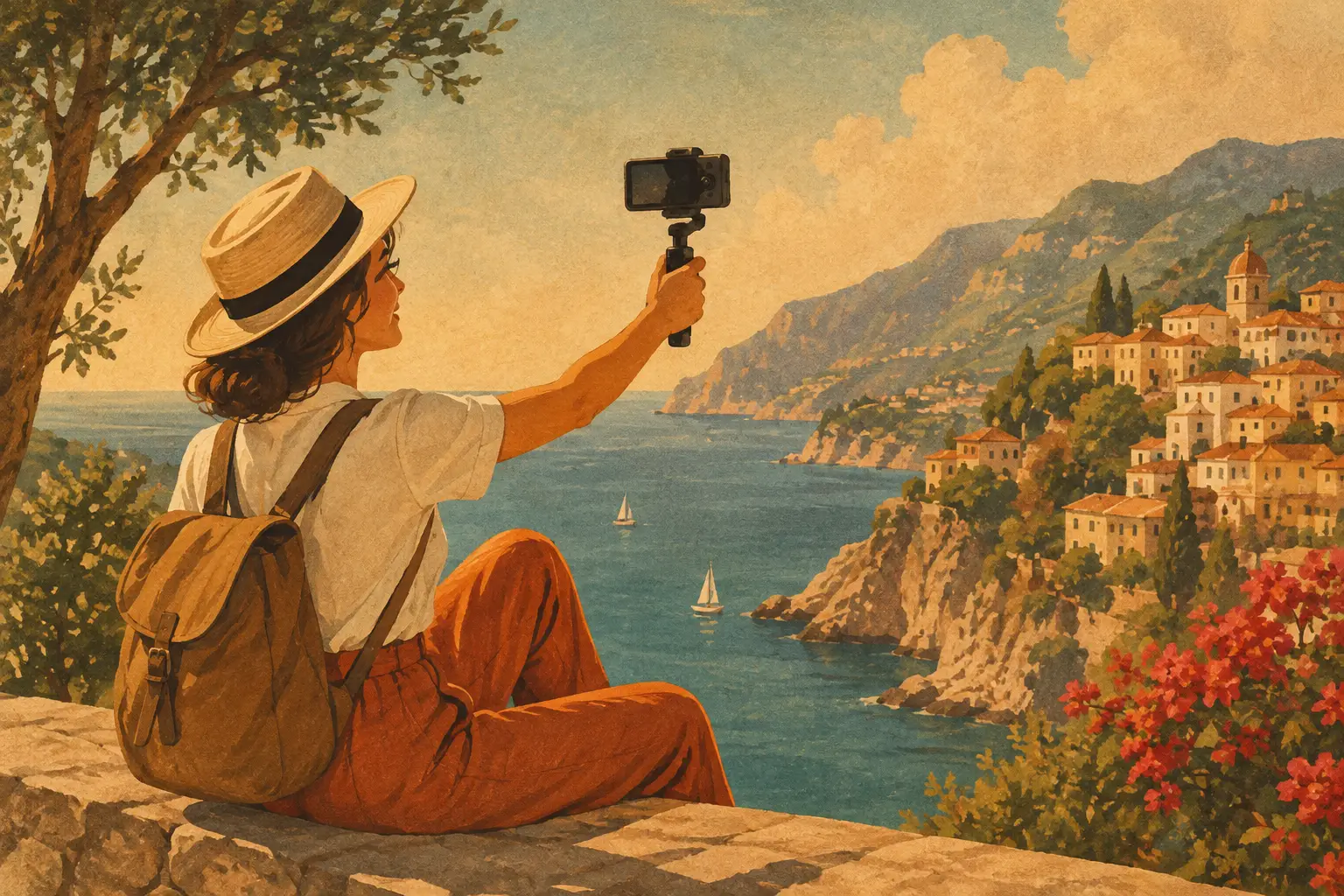
A saved reel can spark a weekend in Austin, a long-awaited Japan itinerary, or a road trip built around one spectacular overlook. That is the real force behind creator economy travel trends: travel inspiration is no longer separate from the moment people decide where to go, what to book, and how to experience a place.
For travelers, that shift can be exciting. A creator who has actually walked a neighborhood, timed a scenic drive, or tested a hiking route can offer context that a generic search result cannot. But inspiration can become chaos fast when recommendations live across videos, captions, screenshots, group chats, map pins, booking emails, and saved posts.
The next phase of creator-led travel is not just about watching someone else's trip. It is about turning trusted ideas into a trip that works for your dates, budget, travel style, and group.
Creator Economy Travel Trends Are Moving Beyond Inspiration
Travel creators have always influenced where people go. What is changing is the level of trust and usefulness audiences expect. A beautiful photo may get attention, but a traveler planning a real trip needs the details: where to stay, whether reservations are necessary, how far things are from one another, and what is worth skipping.
That is why curated itineraries are becoming more valuable than one-off recommendations. A well-built three-day city plan or five-day national park route gives travelers a starting point with an actual sequence. It connects the must-see spots with practical decisions such as arrival times, transportation, meal stops, and realistic pacing.
For creators, this means the strongest travel content does not end at "save this post." It gives followers a useful path forward. Their expertise becomes a package people can use, personalize, and carry with them on the trip.
Credibility beats perfectly edited content
The creators people trust most are often specific about their point of view. A luxury resort expert, a budget-minded food traveler, a parent who knows how to make a theme-park day manageable, or a cyclist who understands elevation and safe routes can all serve different audiences well.
That specificity matters because there is no universally perfect itinerary. A couple on a food-focused weekend may want late dinner reservations and walkable boutique hotels. A friend group may prioritize nightlife, shared costs, and enough breathing room for different energy levels. A family may need fewer hotel changes, short transfer times, and dependable meal options.
Useful creator content acknowledges those trade-offs. It explains why a neighborhood works, when a route is too ambitious, and which recommendation is worth booking ahead. That kind of honesty makes a plan feel less like an ad and more like advice from someone who has been there.
The New Travel Decision Journey: Plan, Book, Go, Share
The creator economy is changing each stage of a trip, not just the discovery phase. Travelers increasingly move from an inspiring clip to a mapped route, a booked experience, and a shareable record of their own. The better those steps connect, the less time people spend stitching together disconnected tools.
Plan with a point of view
Creators are becoming modern travel editors. They filter a destination through a clear lens: best coffee shops for a design-forward weekend, a first-timer's route through Portugal, accessible trails near Denver, or a coastal drive with memorable stops.
That curation is especially useful when travelers face choice overload. There may be hundreds of restaurants worth trying, but only a few make sense near your hotel after a museum visit. There may be countless hikes, but not all fit the weather, trail conditions, fitness level, or time available.
The smart move is to use creator ideas as a foundation, then make them yours. Add your confirmation details, swap in activities that fit your interests, and look at the route on a map before locking in the day. An itinerary should guide the trip, not make you feel trapped by it.
Book the parts that matter most
The rise of creator recommendations is also raising the stakes for booking. When a video sends thousands of people toward a small restaurant, a limited-entry attraction, or a seasonal cabin, availability can disappear quickly.
Travelers need to distinguish between a nice-to-have and a trip-defining reservation. Book the limited, location-specific, or time-sensitive pieces first. Then leave space around them for wandering, weather changes, and unexpected local finds. A packed itinerary might look impressive on screen, but it can make a real vacation feel like a race.
Creators can earn lasting trust by showing this balance. The best itinerary is not necessarily the one with the most pins. It is the one that gives travelers a great day without requiring military-grade timing.
Go with your full trip in one place
Once the trip begins, saved content is not enough. Travelers need addresses, routes, contacts, reservation details, and the latest plan at their fingertips. This is where creator-led itineraries become far more useful when they can live alongside personal bookings and collaborative updates.
Picture a group trip where one friend finds a creator's restaurant guide, another handles the rental car, and someone else books a sunset cruise. If every detail stays in separate apps and message threads, simple questions become annoying: What time are we leaving? Who has the confirmation? Is this stop on the way?
A shared, map-based itinerary keeps the group aligned without draining the fun out of the trip. Platforms such as Plan WeGo help travelers bring creator inspiration together with their own transportation, lodging, reservations, routes, and co-planner updates.
Share the trip after the trip
Creator economy travel is increasingly circular. People watch travel content, take a trip, document their favorite moments, and share their own version with friends or followers. That does not mean every traveler needs to become an influencer. It means travel memories have value beyond a camera roll.
A trip record can preserve the hidden beach that was actually worth the early wake-up, the hotel that exceeded expectations, or the route that made a road trip special. It can also make future travel easier. Your next group getaway may start with a plan you already know worked.
For aspiring creators, this creates a more sustainable content model. Instead of relying only on fleeting posts, they can turn firsthand knowledge into organized travel plans that remain useful after the original video fades from feeds.
What Travelers Should Watch Out For
Creator recommendations are powerful, but they are not automatically right for every trip. A viral destination may be crowded, expensive, or less enjoyable than it appears in a 20-second clip. Seasonal conditions can change dramatically. A restaurant that works brilliantly for one creator's neighborhood-hopping itinerary may be inconvenient from your hotel.
Before adding a recommendation, check its location relative to the rest of your day, its reservation requirements, and whether it matches your pace. Consider who is traveling with you, too. A six-mile walking day can be a highlight for some groups and a deal-breaker for others.
It also helps to keep an eye on sponsored content. Sponsorship does not make a recommendation untrustworthy, but transparency and specificity matter. Does the creator explain what they liked? Do they show practical details? Are there alternatives for different budgets or preferences? The answers reveal whether the content is genuinely useful.
The Opportunity for Travel Creators
The creators who will stand out are not merely chasing the next viral location. They will build trust through clarity, local knowledge, and plans people can actually use. They will say when a hotel is better for convenience than charm, when a destination deserves more than 48 hours, and when the scenic route is only worth it in good weather.
They will also design for flexibility. A strong premium itinerary can include a clear core route while offering options for rainy days, different budgets, dietary needs, or slower travel. That makes the plan more valuable than a fixed list of photogenic stops.
The goal is simple: help people spend less time reconstructing someone else's trip and more time enjoying their own. Save the ideas that spark something, organize the details that make them possible, and leave enough room for the moment that was never on the itinerary.