
Couples Trip Planning Guide for Better Getaways
November 16, 2026
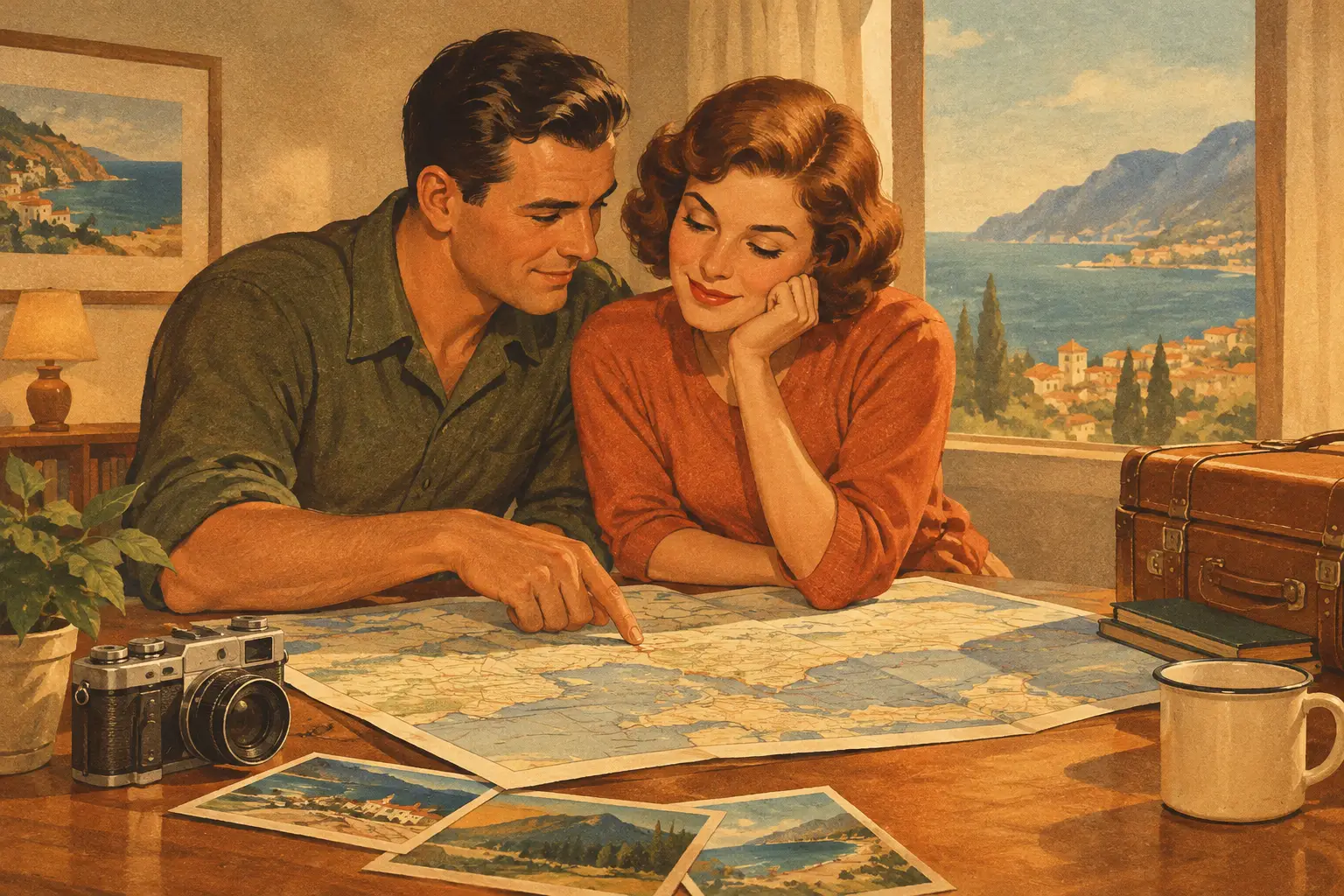
One person has 37 saved restaurants, the other has a flight alert open, and neither has agreed on whether this is a beach weekend or a 10-day road trip. That is exactly where a good couples trip planning guide earns its place. The goal is not to turn your getaway into a committee meeting. It is to make decisions early, keep the details in one place, and leave room for the spontaneous moments you will actually remember.
The best couple trips balance two things: a shared vision and enough individual breathing room. You do not need identical travel styles to have a great vacation. You just need a plan that makes both people feel heard before the bags are packed.
Plan: Start With the Trip You Both Want
Before searching flights or sending each other 14 reels, agree on the feeling you want from the trip. A long weekend in Miami, a hiking escape in Utah, and a food-first city break in Chicago can all be great choices, but they require very different budgets, pacing, and energy.
Set aside 20 minutes for a quick trip check-in. Each person should name their non-negotiable, their nice-to-have, and the one thing they want to avoid. Maybe one of you needs a quiet hotel and slow mornings, while the other wants live music and packed days. Those preferences are not competing requests. They are the ingredients for a more realistic itinerary.
It also helps to choose your trip priorities before choosing a destination. If you care most about warm weather, great food, and a walkable neighborhood, your options will look different than if you want scenic drives, national parks, and a rental car. This prevents the common mistake of falling for a destination first, then forcing the experience to fit.
Set a Budget That Includes Real Life
A trip budget should cover more than airfare and a hotel. Add local transportation, meals, activities, tips, baggage fees, travel insurance, and a small cushion for the unexpected. The couple who says, “We’ll figure it out there,” may be fine with that approach, but only if both people are equally comfortable with the spending range.
A simple approach works well: choose a total trip number, then decide what matters most. If a beautiful resort is the priority, you may trade a pricey tasting menu for casual local spots. If food is the reason for the trip, a smaller room in a better neighborhood can be the smarter move. There is no universal right answer, only an answer that feels fair to both of you.
Use This Couples Trip Planning Guide to Divide the Work
Planning together does not mean splitting every task exactly in half. It means sharing ownership in a way that matches your strengths and interests. One person might love comparing flights and hotel locations. The other may be better at finding the restaurant that becomes the highlight of the entire trip.
Give each partner a lane, but keep every decision visible. When confirmations are buried in separate inboxes, maps live in one person’s phone, and must-see ideas disappear in a text thread, the trip starts feeling like one person’s project. A shared mobile itinerary keeps both of you in the loop without requiring constant check-ins.
Plan WeGo can bring reservations, routes, saved places, transportation details, and collaborative ideas into one trip view, so both travelers can see what is happening next. That matters when you are navigating an unfamiliar airport, deciding where to eat nearby, or trying to remember the check-in code after a long travel day.
Agree on Planning Deadlines
Not every detail needs to be settled months ahead. Flights, lodging, and high-demand experiences usually do. A sunrise hike with limited permits, a sought-after restaurant, or a special event is worth booking early. Coffee stops, beach time, and neighborhood wandering can stay flexible.
A useful rhythm is to lock in the essentials first, then make a short list of possibilities for each day. That gives the organized partner confidence without making the spontaneous partner feel trapped by a minute-by-minute schedule.
Book: Choose Convenience Where It Counts
When you travel as a couple, convenience can be more valuable than a slightly lower price. A hotel that is close to the places you want to explore may save you time, rideshare costs, and the low-grade frustration of long daily commutes. For a road trip, a rental car with enough space for both bags and outdoor gear may be worth the upgrade.
Look beyond the headline rate. Check resort fees, parking, cancellation terms, neighborhood safety, transit access, and whether the room setup actually suits you. A deal that places you 45 minutes from everything is not always a deal.
Booking preferences can reveal travel-style differences, too. One partner may want the certainty of confirmed reservations, while the other prefers discovering places on the ground. Build for both. Reserve one standout dinner or activity each day at most, then leave a window for a surprise gallery, a long lunch, or a detour that looks good on the map.
Go: Build Days With Energy, Not Just Attractions
The fastest way to make a couple trip feel exhausting is to treat every day like a challenge to complete. A better itinerary groups plans by neighborhood and lets the map shape the day. Visit the museum near your lunch reservation. Put the sunset lookout after the waterfront walk. Save the cocktail bar for the area where you already plan to have dinner.
Mapping your route is not about removing adventure. It is about spending less of your vacation backtracking and more of it enjoying the place you came to see.
Protect the Mood With a Little Space
Travel adds pressure in small ways: delayed flights, unfamiliar streets, hunger, crowds, and too many decisions. Even couples who communicate beautifully at home can get snippy when they have slept badly and missed a train. Build in recovery time before it is needed.
That might mean a no-plans afternoon after an overnight flight, separate downtime in the hotel room, or a simple rule that whoever chose the morning activity does not also have to choose dinner. If one person needs a museum break while the other wants to browse shops, splitting up for an hour is completely normal. You are on the same trip, not attached at the hip.
Have a tiny reset ritual for tense moments. Pause for water, food, and five minutes without trying to solve the entire disagreement. Then choose the next practical step. Most travel friction is temporary, and it rarely deserves the emotional weight it gets in the moment.
Share: Save More Than the Highlight Reel
The photos matter, but so do the details that make them meaningful: the bakery you found while lost, the rainy train ride, the viewpoint that looked better in person, and the restaurant where you both ordered the same thing without discussing it.
Capture those moments in a way that fits your style. One person may make videos, while the other saves notes and photos. A shared trip record lets you preserve both perspectives instead of leaving the memories scattered across camera rolls and social apps. It also makes it easier to recreate a favorite day, recommend a route to friends, or turn your itinerary into a polished travel story later.
Leave With a Better System for Next Time
The best outcome is not a flawless itinerary. Flights change, weather turns, and the restaurant with perfect reviews can still be disappointing. A successful couple trip is one where both of you felt included, supported, and free to enjoy the unexpected.
Before heading home, save the places you loved and make a quick note about what you would do differently next time. Maybe you learned that slow mornings are essential, that one planned activity per day is plenty, or that renting a car gave you more freedom than expected. Those small insights make every future getaway easier to plan - and much more yours.